

Is your dog breathing heavily and you’re unsure why?
The sound of your dog’s peaceful snores usually brings a sense of calm, but when those quiet breaths turn into heavy panting, it can start to worry you, especially with older dogs. Aging brings health challenges that can make heavy, labored breathing a more frequent worry. However, this sign doesn’t always herald serious problems.
Before anxiety takes hold, knowledge is key. Many cases of heavy panting in older pets can be managed through lifestyle changes or may necessitate veterinary attention. In this guide, we’ll explore six essential strategies to manage your older dog’s heavy breathing, ensuring they get the most out of their golden years.
These strategies include:
- Regular vet check-ups to catch and address potential health issues early.
- Focused heart care to support cardiovascular health.
- Lung care initiatives for optimal respiratory function.
- Weight management to alleviate unnecessary stress on their body.
- Managing body and environmental temperatures to ensure comfort.
- Creating a calm environment to reduce stress-induced breathing issues.
Join me as we dive deep into each of these tips, providing you with the knowledge and tools to ensure your senior dog breathes easier, day and night.

Before diving into the depths of canine heavy breathing, let’s take a step back and consider what normal breathing looks like in dogs. Just like in humans, ‘normal’ is a relative term and can vary from dog to dog. However, a general benchmark for healthy adult dogs is typically between 10 to 35 breaths per minute when at rest.
Knowing the normal breathing range helps identify irregularities, crucial for monitoring your senior dog’s health and distinguishing between normal sleep patterns and potential respiratory problems.
Now that we understand what normal looks like, let’s shift our focus to heavy breathing, or panting, which is quite common in dogs. Unlike humans, dogs can’t sweat through their skin to regulate their body temperature- they actually sweat through their paws Dogs mainly rely on panting – quick, shallow breaths – that allow them to cool down by evaporating water from the surface of their lungs. You’ll often see dogs panting on hot days, during play, or after a bout of exercise. Their tongues might also hang out during panting, which further aids in the cooling process.
However, while panting is a normal canine behavior, consistent heavy breathing, especially during rest or sleep, might be a cause for concern. It can indicate an underlying health issue that’s making it difficult for your dog to breathe. This could range from something as simple as being overheated or overly excited to more serious issues like heart disease, lung disease, or even certain types of cancers.
Therefore, while some panting is normal, excessive and constant heavy breathing is a symptom that should never be ignored. When in doubt, always consult your vet to rule out any potential health concerns.
When it comes to older dogs, heavy breathing can have various causes, some more severe than others. Understanding the potential causes can empower you to take action, either through lifestyle adjustments or medical interventions. Let’s delve deeper into some of the common reasons for heavy breathing in older dogs :
Lung issues like pneumonia or bronchitis could be causing your dog’s heavy breathing. These health issues lead to swelling or the buildup of fluid in the lungs, making it harder for your dog to breathe easily. Other common symptoms are coughing, wheezing, and signs of difficulty breathing.
Considering the seriousness of these conditions and the risk of worsening without proper care, it’s vital to consult a veterinarian if you notice any symptoms of respiratory distress in your dog.
Older dogs are more susceptible to heart disease, which is often signaled by heavy breathing. The heart’s inability to pump blood efficiently is the core problem, leading to an increased breathing rate as a compensatory mechanism. This issue of heavy breathing can become even more noticeable at night, when dogs are at rest, because fluid tends to build up in the lungs, further hindering their ability to breathe comfortably.
The increasing trend of obesity in pets is alarming, as it contributes to a range of health problems, especially affecting their breathing. Extra weight puts additional pressure on your dog’s chest and diaphragm, making it difficult for them to breathe easily. This excess weight can also worsen existing health issues, like heart disease or arthritis, reducing their ability to exercise and cool down efficiently. Consequently, this can result in more noticeable heavy breathing, creating a vicious cycle that requires attentive management for your pet’s health and happiness.
Dogs experience stress and anxiety similarly to humans, often exhibiting physical symptoms, including heavy breathing. Various situations, such as the sound of thunderstorms, nervousness about vet visits, or changes in their living environment, can provoke a response of heavy breathing as part of their natural fight or flight reaction. This is particularly true for older dogs, where increased anxiety may be associated with cognitive decline or dementia, exacerbating signs like panting or heavy breathing.
Just as we do, dogs can hit their heat limit, particularly when the mercury rises or during intense play sessions. Unlike us, dogs can’t sweat out the heat across their body; their cooling system is all about panting. Spot your furry friend panting more in sweltering settings? They’re likely trying to stay chill. But here’s the kicker: if that heavy panting doesn’t ease up or escalates, we’re potentially looking at heatstroke—a critical red flag demanding swift veterinary action. Stay alert, because catching this early can be a game-changer for your dog’s health.
Each of these factors highlights the importance of being attentive to our old dogs’ behaviors and symptoms. Understanding the potential causes of heavy breathing can help us provide them with the care and comfort they need during their golden years.
Knowing how to help is just as important as knowing what the problem might be. Here are tips to assist :

Ensuring the health of your older dog hinges significantly on consistent veterinary check-ups. Regular vet visits are crucial for early detection of health issues, potentially identifying concerns before symptoms, such as heavy breathing, become evident. It’s generally recommended for a senior dog to undergo a comprehensive vet examination at least bi-annually.
These check-ups typically encompass a physical examination, where the vet will assess your dog’s heart and lungs, alongside potential recommendations for blood tests or X-rays as needed. Maintaining transparent communication with your vet, especially regarding any shifts in your dog’s behavior or physical state, is instrumental in facilitating early diagnosis and timely intervention.
While routine veterinary check-ups are essential for monitoring their condition, proactive measures at home are equally vital. Here’s how to further ensure your senior dog’s heart remains strong and healthy:
- Consistent exercise: Adapt physical activities to your dog’s age and physical condition, from leisurely walks to play sessions, to strengthen his heart and your relationship.
- Routine dental care: Dental health has a major impact on the heart. Oral bacteria can enter the bloodstream and affect the heart, making regular tooth brushing and professional dental cleanings critical. For more in-depth advice, read our specialist article.
- Heartworm prevention: Protecting your dog from heartworm disease is crucial. Transmitted by mosquitoes, heartworms can severely damage the heart and lungs. Prevention is simple with regular medication, so ensure your dog is always up-to-date on their heartworm prevention.
- Breed awareness: Be vigilant if your dog is of a breed more prone to heart conditions. Early discussions with your vet about preventive measures can make a significant difference.
Adopting these cardiac care practices, along with veterinary advice, contributes to the health of your senior dog, treating heart problems at an early stage to ease instances where your dog breathes hard, improving their comfort and quality of life.
Looking after your senior dog’s lung health is essential for his general vitality and in case of heavy breathing. Here’s how to keep his respiratory system working optimally:
Improve Air Quality: Maintaining good indoor air quality is essential. Promote good ventilation in your home and protect your dog from exposure to dense exhaust fumes, especially when traveling in open vehicles where he is in direct contact with pollutants.
Eliminate Irritants: Minimize exposure to respiratory irritants by using natural cleaning products and avoiding the use of air fresheners, fabric sprays, and scented candles. If your dog suffers from allergies, clean his paws and legs regularly after being outdoors. Consider using an air purifier to clean the air of irritants, which is good for both you and your pet.
Herbal Support: Certain plants specifically help support respiratory health. They can have a beneficial effect on your dog’s lungs and general breathing. Always consult a veterinarian before introducing new herbs into your dog’s diet.
Incorporate Supportive Supplements and Foods: A variety of supplements and certain foods can enhance lung function. Ensure any dietary changes or supplement introductions are vet-approved.
Detoxify the Body: Gentle detoxification can contribute to the health of your dog’s organs, relieving the respiratory system of an extra burden and improving lung function. It’s important to undertake detoxification under the supervision of a veterinarian to ensure it’s safe and suitable for your dog.
These practices not only boost your senior dog’s lung health and overall wellness but also help manage heavy breathing.
For senior dogs dealing with obesity, heart and lung issues, prioritize a diet high in protein, moderate in fat, and low in carbohydrates to support their immune and nervous systems. Monitor portion sizes to avoid overfeeding and choose healthy, low-fat treats like carrots and dehydrated apples. Dietary control is crucial:
- Use portions of their regular kibble as treats.
- Introduce healthy snacks
- Maintain a structured feeding plan, feeding twice daily to stabilize metabolism based on the dog’s size and activity level.
- Consult with your veterinarian to tailor the diet to your dog’s specific nutritional needs, ensuring meals are balanced and rich in essential nutrients. Treats should not exceed 10% of their total daily calories.
My Tips: Optimize your senior dog’s diet with healthy treats like carrots, bananas, dehydrated apples, and sweet potatoes. Limit treats and choose lower-fat options. Be careful, some foods can be toxic.
Physical and mental stimulation is vital:
- Aim for two walks a day, tailored to your dog’s health, avoiding the hottest parts of the day to prevent overheating.
- For dogs with joint issues, swimming or water walking offers a low-impact alternative, promoting metabolism and circulation gently.
- Start any new exercise regime after a veterinary check-up to ensure it suits your dog’s health conditions.
Be vigilant for symptoms of underlying conditions like hypothyroidism or Cushing’s disease, which can lead to weight gain. Regular veterinary checks are essential for early identification and management of these health issues, helping to maintain your senior dog’s weight and overall health effectively.
By integrating these strategies into your senior dog’s routine, you can effectively manage their weight, improve their quality of life, and address concerns such as heavy breathing, ensuring a healthier, more comfortable life for your pet.
Extreme temperatures can greatly impact your dog’s comfort and breathing. To safeguard your senior dog, it’s essential to maintain a comfortable temperature in your home, avoiding both overheating and excessive cold.
- Summer Care: During warmer months, ensure your dog has access to plenty of shade and fresh water while outdoors. Indoors, keep the environment cool and comfortable to prevent overheating.
- Winter Care: In colder weather, provide your dog with a cozy space equipped with warm beds and blankets, enabling them to regulate their body temperature and stay comfortable.
My Tips: I recommend getting a reversible thermo-regulating dog bed for your senior dog. It’s designed to keep them warm during winter and cool in the summer, perfectly adapting to their body temperature needs for comfort all year round. This investment can significantly enhance your dog’s comfort and well-being by maintaining an ideal temperature regardless of the season.
Managing the temperature of your dog’s environment plays a critical role in maintaining their overall well-being, ensuring they remain comfortable regardless of the season.
To mitigate stress-induced heavy breathing, fostering a calm and consistent environment is crucial. Incorporating the following strategies can significantly help your dog feel more secure and relaxed:
Create a Routine: Consistent daily routines for feeding, exercise, and sleep reduce stress by providing predictability.
Use Soothing Sounds: Play calming music or white noise to ease anxiety and mask disruptive outside noises.
Exercise and Mental Engagement: Regular exercise and mental stimulation are essential for your dog’s health, reducing stress and enhancing overall well-being. Combining physical activities with mental exercises like puzzle toys and training ensures your dog stays physically fit and mentally sharp, preventing boredom and anxiety. For guidance on selecting the most suitable puzzles for senior dogs, here is an article that can help.
Pheromone Therapy: The use of pheromones can play a significant role in creating a calm and comfortable environment for a senior dog. These synthetic pheromones are designed to mimic the natural calming signals that mother dogs emit to soothe their puppies. By providing these reassuring signals through a collar that the dog wears or a diffuser placed in the home, pet owners can help alleviate stress, anxiety, and even fear-related behaviors in their aging canine companions.
Natural Supplements: Natural supplements for senior dogs can significantly contribute to creating a safe and comfortable environment, especially tailored to address the unique needs of aging canines. Ingredients such as omega-3 fatty acids, glucosamine, and chondroitin are beneficial for joint health, helping to maintain mobility and reduce discomfort associated with arthritis. Antioxidants like vitamins E and C, along with Coenzyme Q10, can support cognitive function and overall well-being, combatting the stress of aging. Probiotics are also advantageous, promoting a healthy gut, which is crucial for immune health and overall vitality. Herbal components like chamomile and valerian root can provide calming effects, aiding in stress reduction and promoting a serene atmosphere for senior dogs. These ingredients, when combined in a supplement, can holistically support the health, comfort, and quality of life for senior dogs, making their golden years more comfortable and calm.
Comfortable Resting Area: Senior dogs often face joint pain and struggle to find a comfortable space to rest, highlighting the need for a supportive sleeping area that releases the pressure on their joints while keeping the head up for a comfortable breathing position. A high-quality orthopedic dog bed can alleviate discomfort, release pressure on joints, providing a soft, supportive retreat for your aging pet. This addition not only improves their comfort but also fosters a tranquil spot for rest and recovery.
Grooming: Regular grooming sessions not only maintain your dog’s physical health but also offer a bonding experience. The act of brushing can release endorphins in your dog, promoting a relaxed state.
Incorporating these strategies helps create a calming environment, reducing stress-induced symptoms and improving your senior dog’s overall well-being.
And there you have it: a straightforward roadmap to alleviate heavy breathing in your senior dog. From vet visits to creating a stress-free haven, these six steps are your blueprint to enrich your dog’s later years with health and happiness.
The essence of caring for an aging pet is in the blend of vigilance and proactive steps—each one a vital thread in the tapestry of their well-being. Your role? To be observant, informed, and ever-ready to adapt to your furry companion’s changing needs.
Remember, the journey to optimal health for your senior dog is a shared adventure. It’s about making those golden years vibrant, ensuring they’re as comfortable as they are cherished. Here’s to navigating this path together, ensuring every breath your dog takes is as effortless as it is filled with life.
Older dogs might start feeling more anxious when they’re alone. This can happen because they grow even closer to their owners as they age and might get nervous or worried when you’re not around. Sometimes, the things that make them generally anxious can also make them feel uneasy about being alone.
Treating a dog with fluid in their lungs usually involves antibiotics, intravenous fluids, diuretics to remove excess fluid, and medications to reduce inflammation. These treatments are commonly used for conditions like noncardiogenic pulmonary edema.
To assess if your senior dog may be in discomfort, observe for certain behaviors and physical changes. These may encompass frequent over-grooming, alterations in their eyes, unexplained weight reduction, muscle spasms or stiffness, intense panting, and severe agitation. Additional signs include sudden aggression, persistent whining or whimpering, increased barking or howling, and challenges in mobility, such as struggling to walk or climb stairs.
For dogs needing to lose weight, selecting proteins such as turkey can be very beneficial, as it’s a lean meat offering low fat and low calories. Ensuring that meat or meat meal is listed as the primary ingredient in your dog’s diet is crucial. Opting for lean meats as the foremost ingredient can significantly facilitate your efforts in aiding your dog to lose excess weight.
Avoid giving dogs chocolate, grapes, raisins, onions, garlic, fatty foods like bacon, salty snacks, macadamia nuts, anything with xylitol, and avocado. These can be toxic and cause health issues.
About Dr. Maria Garcia
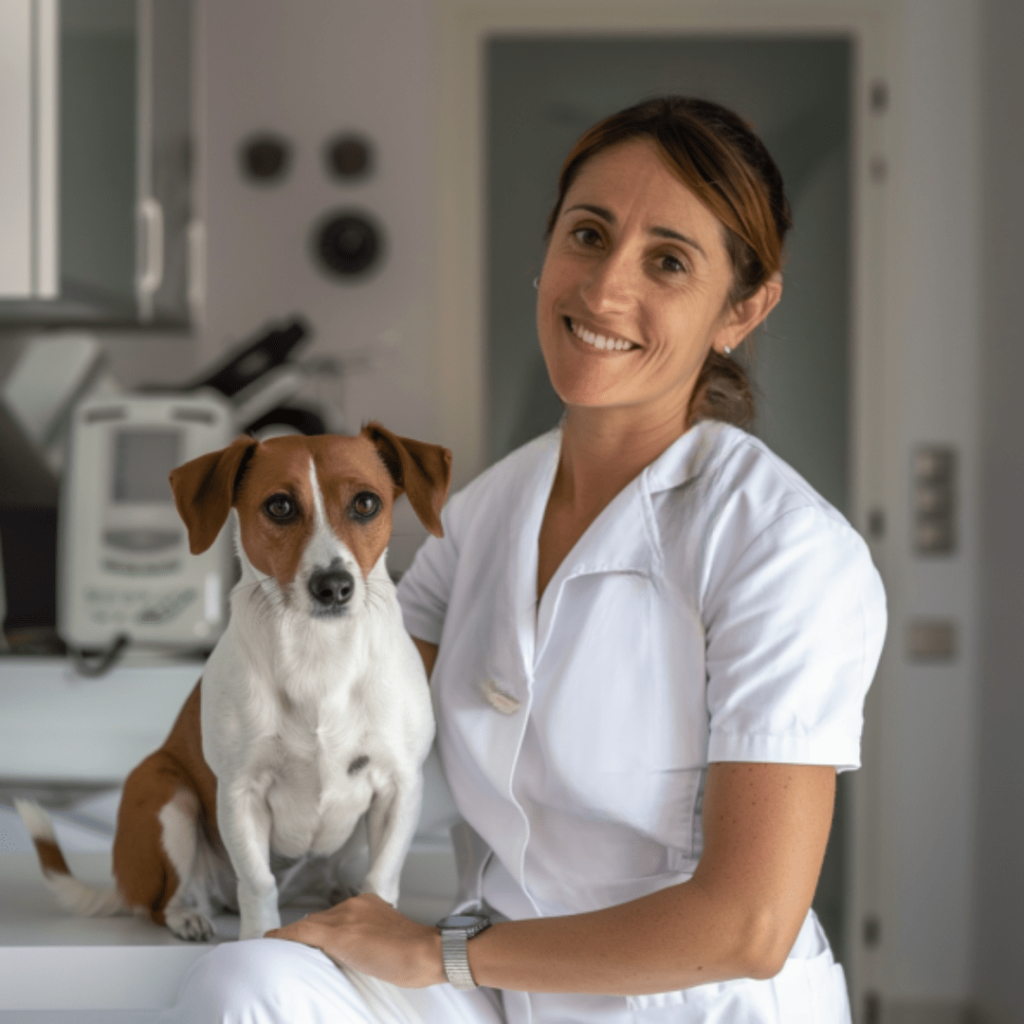
Dr. María García, based in the Murcia region of Spain, is an expert in the veterinary field, bringing a decade of experience dedicated to the health and well-being of pets. A graduate of the Autonomous University of Barcelona, she now works at the Veterinary Emergency Hospital in the Murcia region as a specialist in small animal surgery. Her work on hip dysplasia and arthritis has improved the daily lives of many animals, earning her great respect within the veterinary community.


