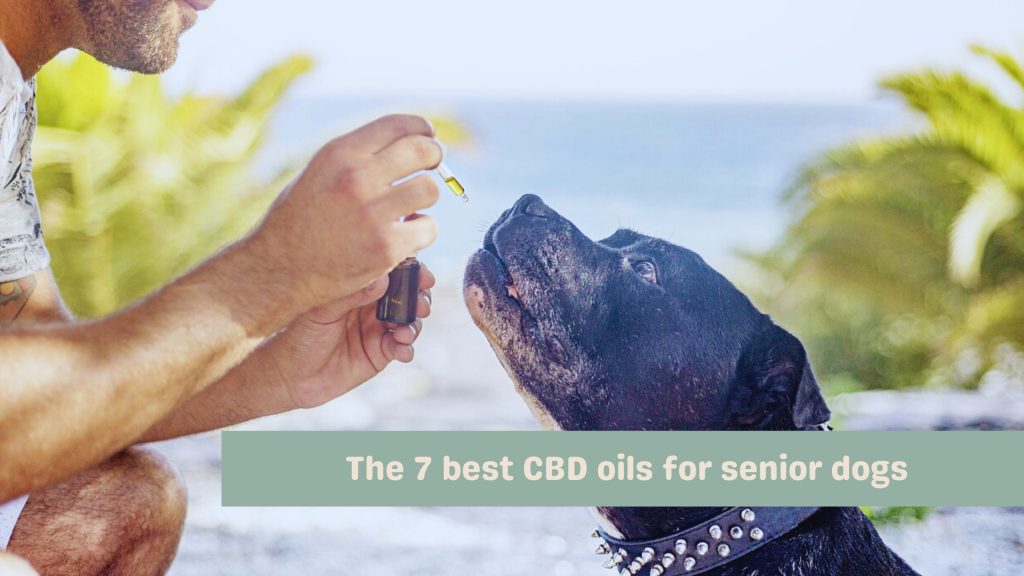
In my clinic, I regularly have appointments with dogs and dog owners who struggle with incontinence in older dogs. As I saw so much frustration with dog owners over the years, I decided to write my own guide about urinary incontinence in senior dogs.
As someone who also owns a dog nearing its senior years, this topic is particularly dear to me. Therefore, in this article, I aim to offer my insights, helping you provide the best possible support for your loyal companion throughout their twilight years.
Most importantly, it’s crucial to understand that incontinence in older dogs can stem from numerous causes. In the following sections, I will provide both short-term and long-term strategies tailored to these various reasons, accompanied by a convenient overview table below.
| Causes | Symptoms | Short-term solutions | Long-term solutions |
|---|---|---|---|
| Aging and Arthritis | Difficulty reaching elimination areas Signs of discomfort or pain when moving Increased frequency of accidents | Facilitating access to elimination zones and increasing the frequency of pee breaks Dietary supplements for joints or anti-inflammatory drugs | Regular, gentle exercise Surgery if the arthritis is severe |
| Medical issues | Frequent accidents, even when not alone Symptoms related to specific medical conditions Changes in urine or fecal consistency | Products to prevent urine leakage Medication (according to vet’s advice) | Veterinary consultation for diagnosis, treatment and action plan Regular veterinary check-ups to manage ongoing medical problems |
| Separation and general anxiety | Accidents occur primarily when left alone Destruction, excessive barking, attempts to escape when alone Accidents occurring during stressful situations | Provide a safe, soothing and entertaining environment when they are alone Leave your dog with recently worn clothes Make sure that arrivals and departures in the house are discreet | Anti-anxiety toys |
| Diet | Accidents occurring after a meal Loose stools or signs of discomfort after eating certain foods Consistent accidents after eating certain foods | Permanent change of diet | |
| Voluntary elimination | Regular elimination in designated areas Regular elimination schedule No signs of distress or discomfort | Clean and use enzymatic cleaners in areas that have been soiled in the past | Learning long-term behavior |
Before we begin to find treatments, we should differentiate incontinence (involuntary elimination) vs. voluntary elimination. The best way to do this is by observing your dog.
An incontinent dog may appear surprised or try to clean himself up after an accident. Whereas deliberate behaviour, such as crouching inappropriately, indicates voluntary elimination.
In the handy table below, I share with you my tips on how you can distinguish the main cause of your dog’s incontinence:
| Causes | Symptoms |
|---|---|
| Aging & Arthritis | Difficulty reaching elimination areas |
| Signs of discomfort or pain when moving | |
| Increased frequency of accidents | |
| Medical Issues | Frequent accidents, even when not alone |
| Symptoms related to specific medical conditions | |
| Changes in urine or fecal consistency | |
| Separation anxiety & general stress | Accidents occur primarily when left alone |
| Destruction, excessive barking, attempts to escape when alone | |
| Accidents occurring during stressful situations | |
| Diet | Accidents occurring after a meal |
| Loose stools or signs of discomfort after eating certain foods | |
| Consistent accidents after eating certain foods | |
| Voluntary Elimination | Regular elimination in designated areas |
| Regular elimination schedule | |
| No signs of distress or discomfort |

Image 1: How to prevent incontinence in older dogs with arthritis
As our faithful companions age, their needs evolve, and sometimes, changes in their behavior, such as peeing in the house, signal underlying health issues.
Addressing these concerns with compassion and understanding can significantly improve their quality of life. Let’s explore how aging and arthritis can affect your older dog and the steps you can take to support them:
Acces to elimination area:
- Provide easy access to and from your senior pet’s favorite elevated spots (e.g. couch, bed, car, or short flight of stairs) by installing ramps.
- Look for an appropriate ramp that matches the following criteria: textured surfaces (e.g. foam mat, artificial turf, or treads); lightweight; appropriate size to ensure a gentle slope; folds in half, or telescope for easy transport
- Move the dog bed or resting place, closer to the main door to shorten the way to the designated elimination area.
Food supplements or medicines:
- Consult your veterinarian for medicine that can help with involuntary incontinence.
- If your dog is suffering from arthritis and therefore is having trouble reaching the elimination area, you could consider dietary supplements that can alleviate the pain and stiffness. If you are looking into supplements for joints, the following anti-inflammatory ingredients are a must:
- Omega fatty acids
- Methylsulfonylmethane
- Chondroitin sulfate
- Glucosamine
- Hyaluronic acid
- Cetyl myristoleate
- Chondroitin
- Turmeric
- Vitamin C
Here is my top recommendation for joint supplements to help your aging dog: Yumove Senior Joint Supplement
- To improve the urinary track health of your old dog consider a dietary supplement with the following effective ingredients:
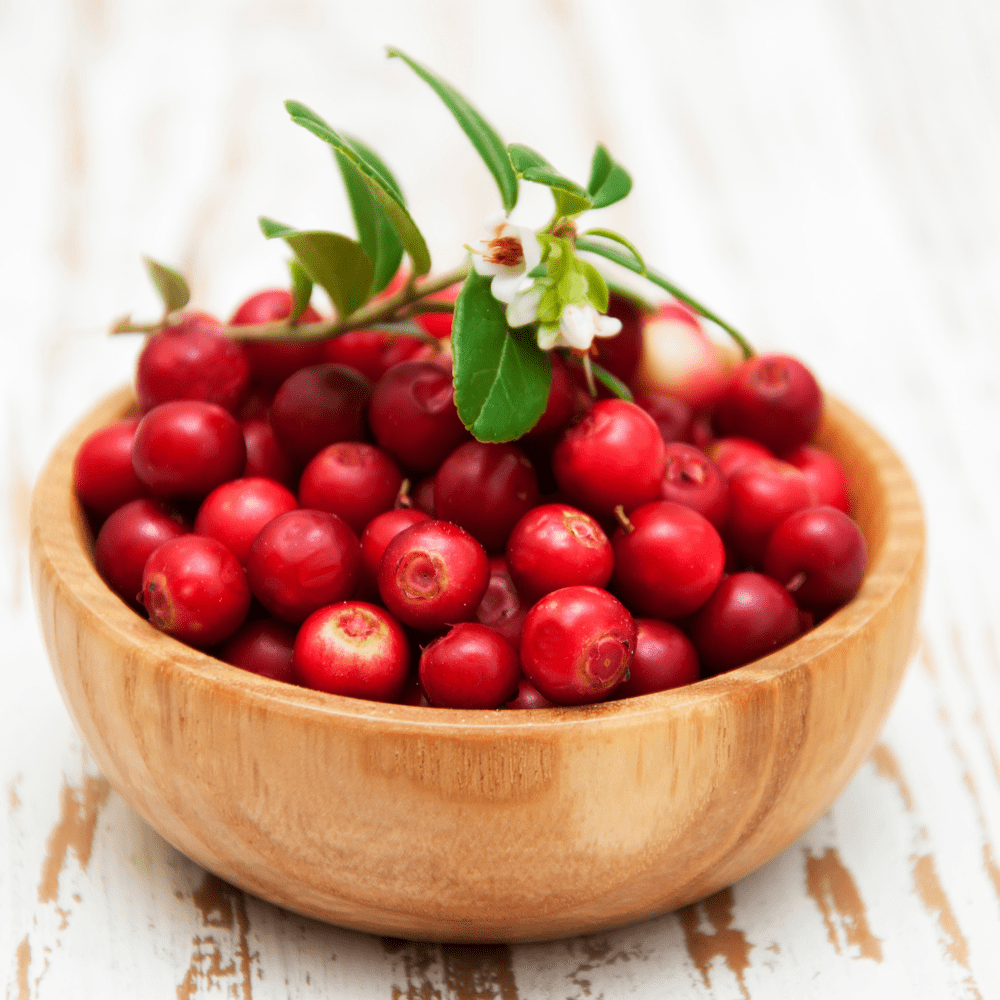
Cranberry

Pumpkin seed powder

Rehmannia glutinosa powder
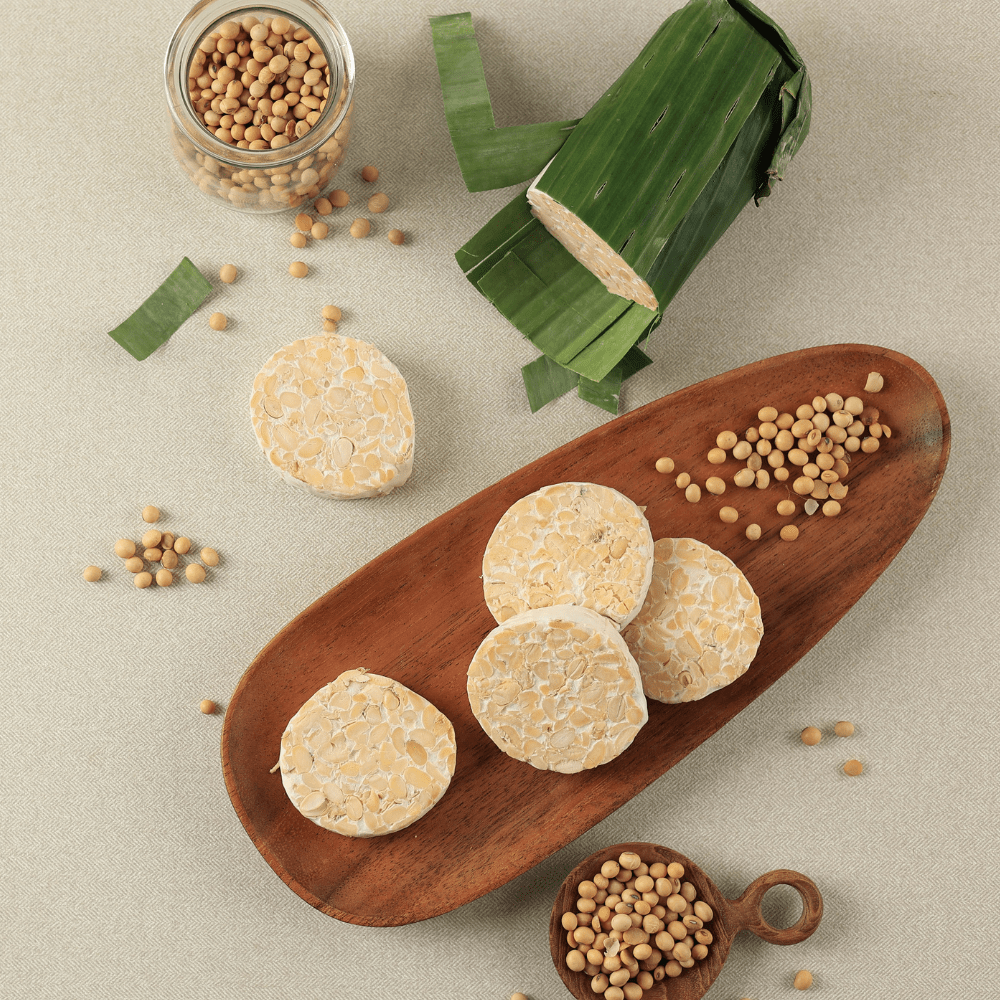
Phytoestrogens
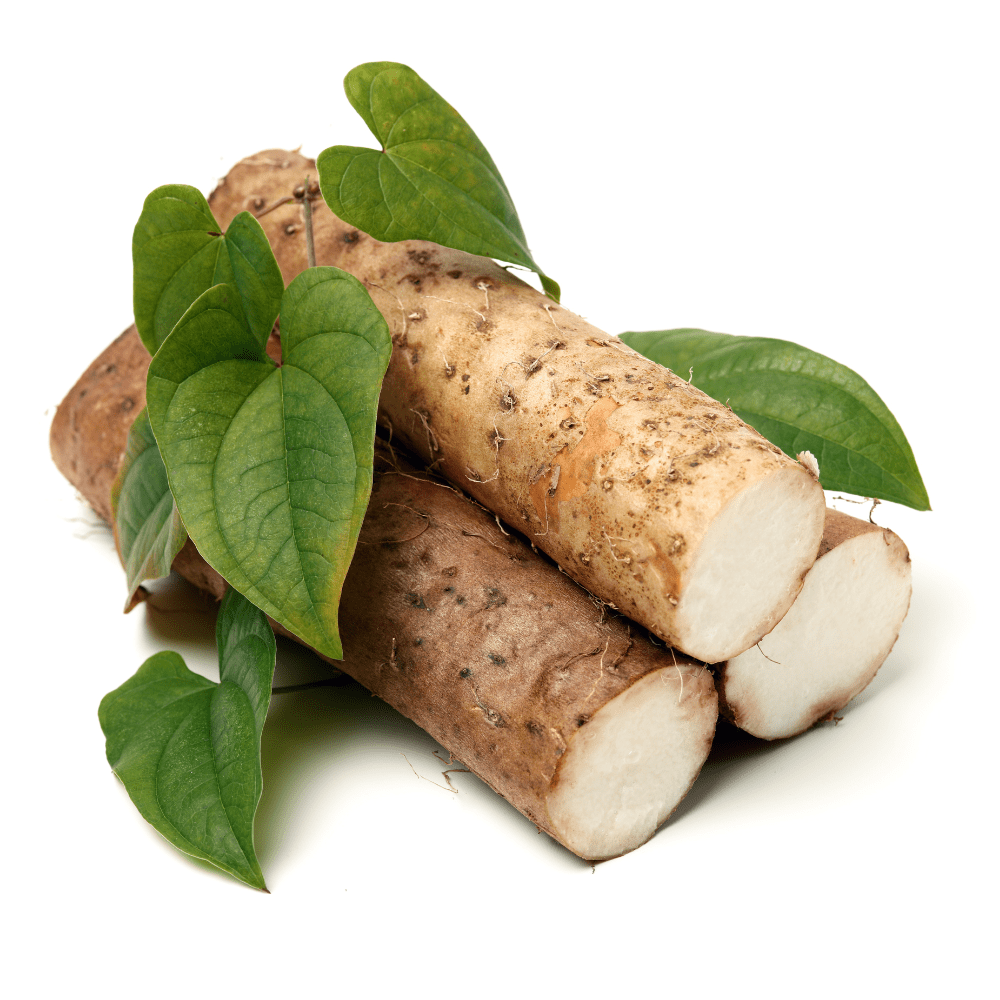
Wild yam
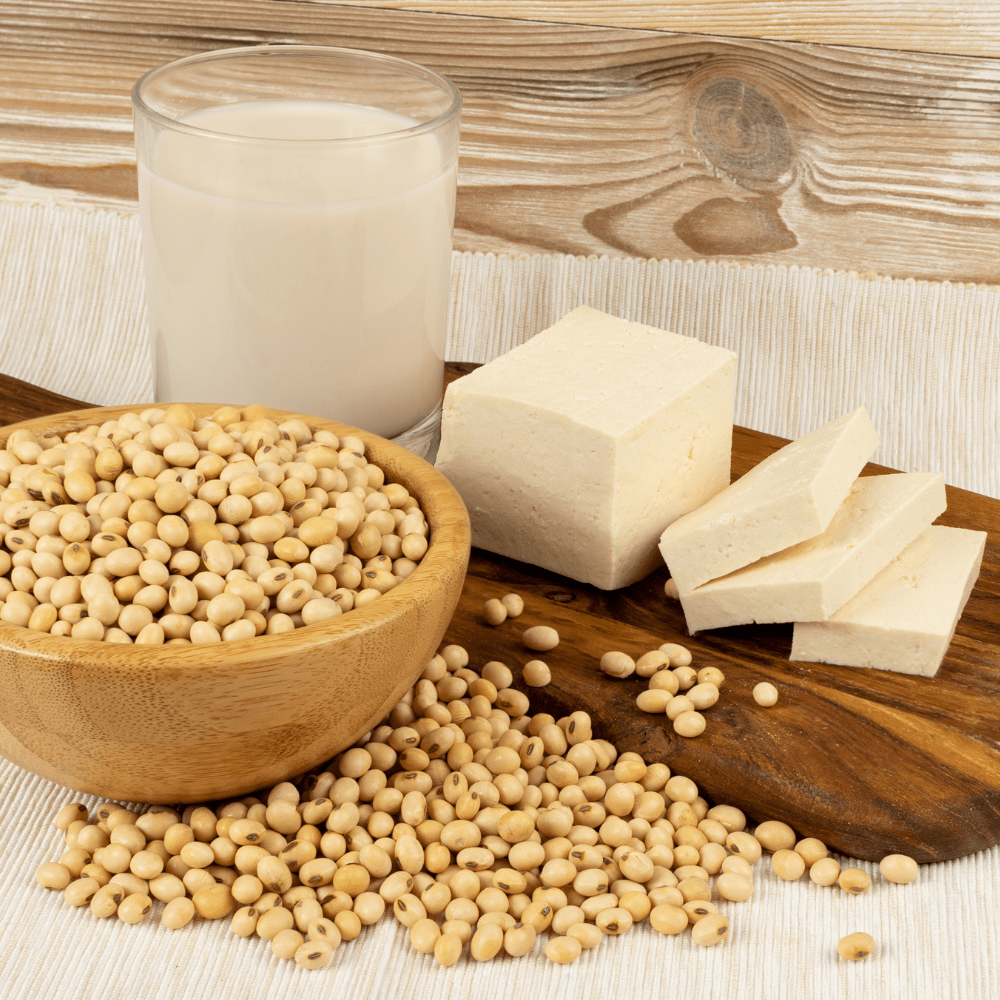
Soy protein
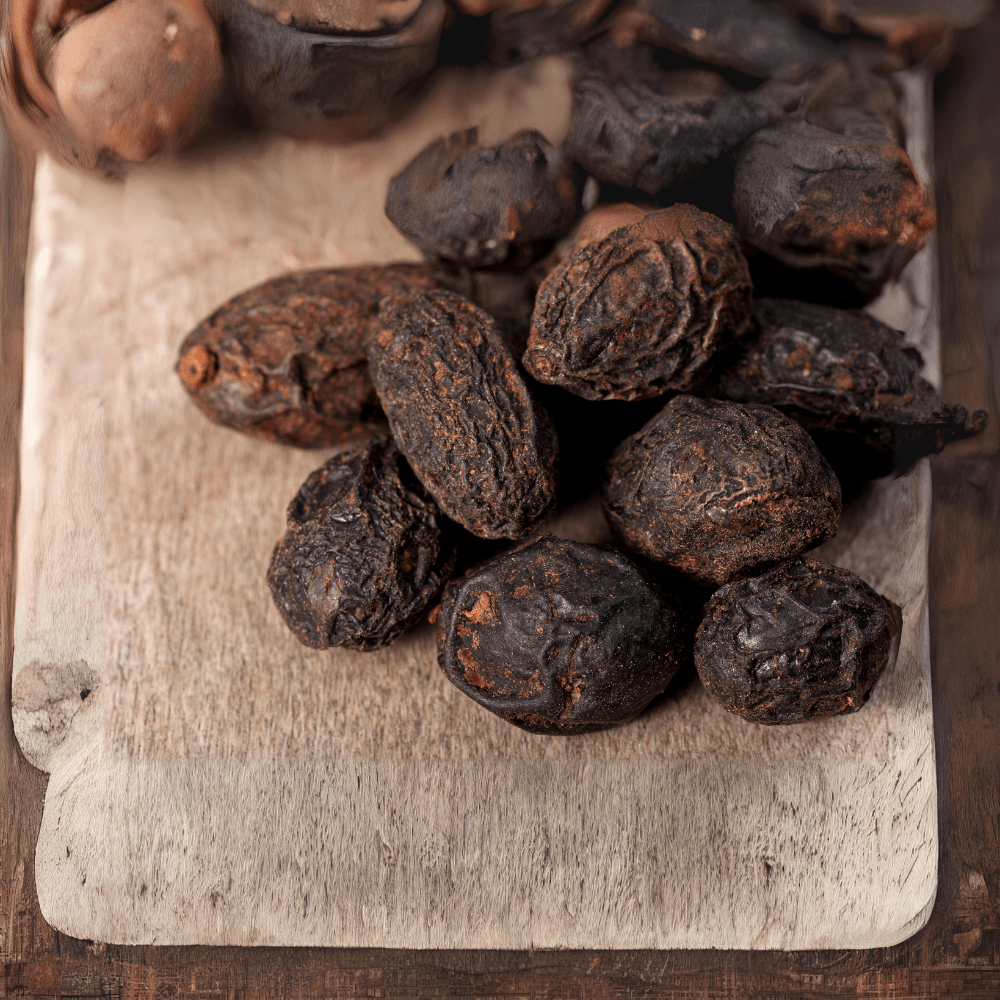
Saw palmetto
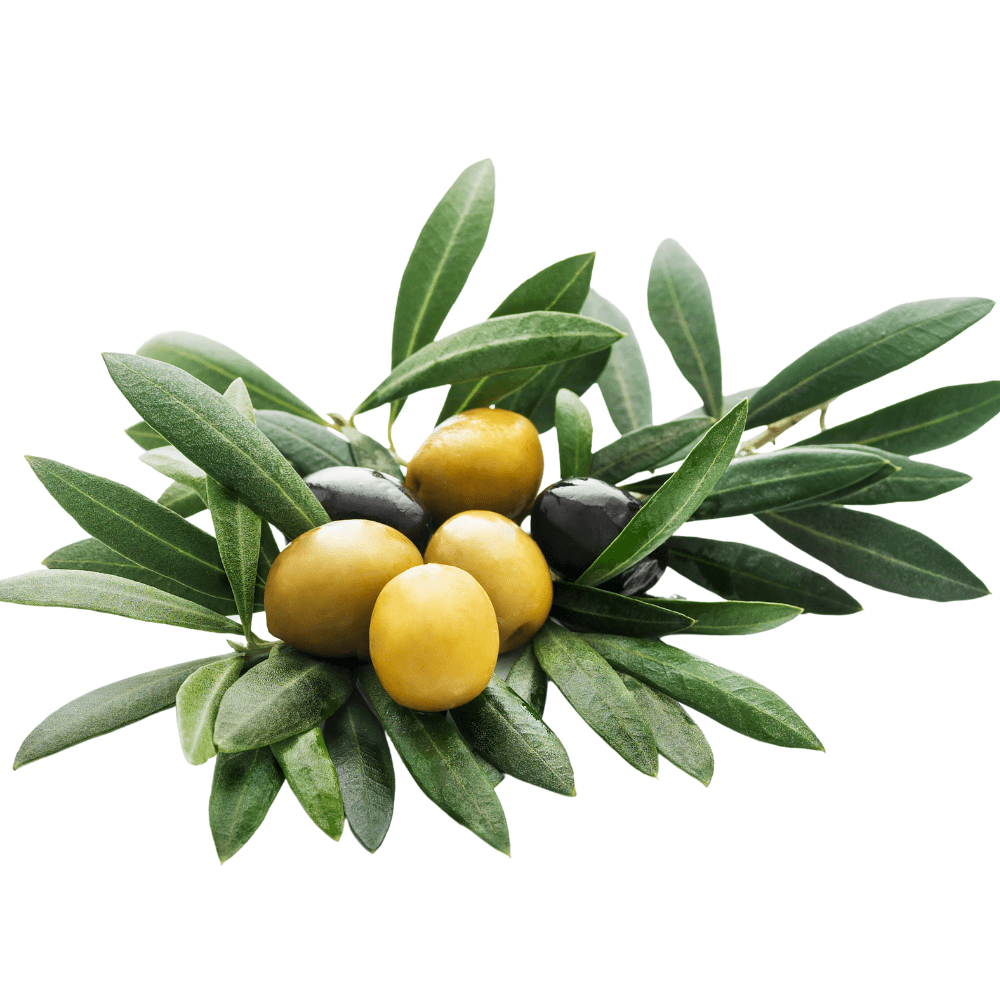
Olive leaf extracts
Regular, gentle exercises:
Encourage your furry friend to move around in a fun way! Here are five gentle exercises that can help against stiffness:
Quiet walks: no matter how old they get, dogs will still look forward to a walk. You may have to take a shorter route and make lots of rest stops.
Training: Old dogs can still learn new tricks. Training is a great way to keep an older mind active. They’ll enjoy the extra opportunities to get their brain working.
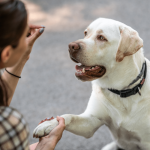
Swimming: If your dog enjoys being in water, swimming can be a great exercise as it doesn’t put as much strain on sore joints. Remember to dry them off as soon as they come out of any water so they don’t get cold and only let them swim if it’s safe to do so. Pools or lakes may have high sides which an older dog may struggle to get out of, so do be careful where you take them swimming.

Scent games: Hide treats in the house or garden and let your dog find them. As long as they have a good sense of smell, dogs will benefit from scent games regardless of age. It’s a great way to keep not only their body but also their brain in good condition.

Surgical intervention:
And if your pet’s arthritis is particularly severe, talk to your vet about more advanced options like surgery. Depending on where you dog has the arthritis here are the following options:
- Joint Replacement Surgery: Joint replacement surgery involves replacing a damaged joint with a prosthetic implant. This procedure is commonly used for hip and elbow joints in dogs with severe arthritis or congenital joint abnormalities. The aim is to alleviate pain and restore mobility. Joint replacement surgery can be highly effective, but it is also a major surgery that requires a long recovery period. It is important to discuss the risks and benefits of this procedure with your veterinarian before making a decision.
- Arthroscopy: Arthroscopy is a minimally invasive procedure that uses a small camera (arthroscope) to visualize the interior of a joint. Surgeons can treat cartilage damage, remove bone fragments, or repair soft tissue injuries. This surgery is less invasive than traditional open surgery, often resulting in faster recovery times. Arthroscopy can be used to treat a variety of joint issues, including arthritis, and can be a good option for dogs with mild to moderate joint damage.
- Arthrodesis: Arthrodesis, or joint fusion, is a procedure where the bones in a joint are fused together to reduce pain and improve stability. This surgery is typically reserved for cases where other treatments have failed, and the joint has become severely damaged. Keep in mind that the joint’s mobility will be permanently lost with this procedure. While arthrodesis can be highly effective for certain dogs, it is not always the best option and should be carefully considered with your veterinarian.
- Osteotomy: Osteotomy is a surgical procedure that involves cutting and reshaping a dog’s bone to distribute weight more evenly and alleviate pain in the affected joint. This surgery is often used for knee joint issues, such as a torn cruciate ligament, which can lead to arthritis. Osteotomy can be a good option for dogs with mild to moderate joint damage and can help prevent the need for more invasive surgeries in the future.
It is important to note that while surgery can be an effective treatment for canine arthritis, it is not always necessary or appropriate for every case. Your veterinarian can help you determine the best course of treatment for your dog based on their individual needs and condition.
Sometimes urinary incontinence can be caused by medical issues. Remember, signs for medical issues can be:
- Frequent accidents, even when not alone
- Symptoms related to specific medical conditions
- Changes in urine or fecal consistency
If your dog suddenly has incontinence issues, take him to the vet and get a full check-up, but before and during the treatment you can help your dog with the ugly consequences of incontinence. Here some practical tips:
Dog diapers and belly bands: Think of these as little hugs of comfort for your dog. Dog diapers wrap around snugly, offering leak-proof protection that keeps your home clean and your dog happy. They’re perfect for managing incontinence with dignity and ease.
Choosing the right dog diaper can be challenging as there are so many different tips of diapers on the market.
Here are some helpful tips to find the right one for you and your dog:
- Decide if you want to use disposable or washable dog diapers.
Washable dog diapers are sustainable and cost-effective, reducing waste and providing easy cleaning through regular machine washes. However, they require frequent washing to prevent odor and bacteria buildup, increasing laundry tasks. Additionally, not all dogs may adapt to wearing them due to individual texture and pattern sensitivities, making them less suitable for some pets.
Disposable dog diapers offer convenience with their easy, mess-free use and availability in various sizes and absorbencies to suit all breeds, easily found in most pet stores. However, they pose environmental and economic downsides as their frequent need for replacement increases costs and landfill waste. Additionally, they may not provide the same comfort or fit as reusable diapers, potentially making them less ideal for continuous wear.
- Choose different diapers depending on the sex of your dog. Male dog diapers and dog diapers for female dogs will look slightly different, and it is important to find the right shape and style of diapers depending on your dog’s sex. This will help to ensure they are comfortable and that the diaper is secure and doing its job.
- Choose the right size diaper for your dog. It is important to choose the right size of the diapers: if too loose, accidents may happen and the diaper leaks. If too tight, it will cause discomfort. Here some guidance:
Weight: Getting an idea of your dog’s weight can be a good starting point for any diaper fitting process.
Waist measurement: This is the most important measurement as this is where the diaper will be secured.
Dog breed: All dog breeds are different shapes and sizes, with unique bodies that will need unique attention when finding the perfect diaper fit – there is no one size fits all solution in the dog world!
In my experience the three best diaper solutions are the following:
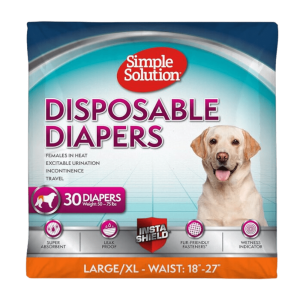
Simple Solution Disposable Diapers:
✅ Economical
✅ Disposable
✅ Comes in 5 different sizes
✅ The wetness indicator lets you know when it’s time for a change, so your dog will never rock a wet diaper for long.
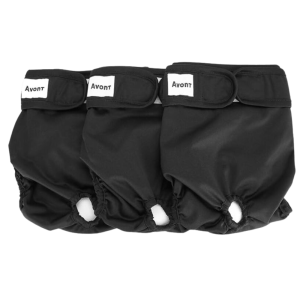
✅The best washable solution on the market.
✅Comes in 5 sizes and multiple chic designs.
✅Features multiple layers of polyester mesh and a waterproof exterior, effectively preventing leakage.
✅Designed with an elasticated tail hole and adjustable velcro waistband for a secure, snug fit.
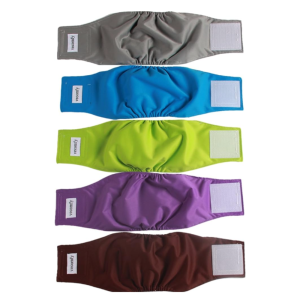
✅Best washable solution on the market
✅ With the 2 Layers microfiber pad no leaking and fast absorption is guaranteed.
✅ Comes in 6 sizes and 6 colors
✅ Soft mesh lined fabric is smooth to the dog’s skin and the advances nylon fabric makes it comfortable to wear.
✅Best disposable solution
✅Economical
✅The stretchy fabric secures a leakproof fit no matter how wiggly your dog is.
✅The diapers has a wetness indicator that changes colors when the dog has peed and therefore letting you know when to change it.

- Reusable Pee pads: Imagine a magic carpet that absorbs all worries. Pee pads are just that, providing a designated spot for your dog to relieve themselves without messes at home or on the go: on the sofa, on the floor, in transport boxes, in the car or in cages. Although there are many pee pads on the market it’s important you buy one with maximum absorption, one that is 100% leak-free, and has an antidrip border so when you bring the pad to the washing machine the pee doesn’t end up in your entire house.
Best solution :
✅2 times more absorbent than other brands
✅Has an anti-drip border to ensure no leaks when moving the pad
✅Special fox print design that makes your pee pad stand out

| Type | Brand | Picture | Reusable | Benefit |
|---|---|---|---|---|
| Female dog diapers | Simple solution | | ❌ | ✅ Economical ✅ Disposable ✅ Comes in 5 different sizes ✅ The wetness indicator lets you know when it’s time for a change, so your dog will never rock a wet diaper for long. |
| Avont | | ✅ | ✅The best washable solution on the market. ✅Comes in 5 sizes and multiple chic designs. ✅Features multiple layers of polyester mesh and a waterproof exterior, effectively preventing leakage. ✅Designed with an elastic tail hole and adjustable Velcro waistband for a secure, snug fit. | |
| Male dog diapers | Honeycare | | ❌ | ✅Best disposable solution ✅Economical ✅The stretchy fabric secures a leakproof fit no matter how wiggly your dog is. ✅The diapers has a wetness indicator that changes colors when the dog has peed and therefore letting you know when to change it. |
| Vecomfy |  | ✅ | ✅Best washable solution on the market ✅ With the 2 Layers microfiber pad no leaking and fast absorption is guaranteed. ✅ Comes in 6 sizes and 6 colors ✅ Soft mesh lined fabric is smooth to the dog’s skin and the advances nylon fabric makes it comfortable to wear. | |
| Reusable Pee Pad | Silverwoof |  | ✅ | ✅2 times more absorbent than other brands ✅Has an anti-drip border to ensure no leaks when moving the pad ✅Special fox print design that makes your pee pad stand out |

Image 2: How to help your older dog with separation anxiety
Another common reason for voluntary incontinence can be separation anxiety. According to a report by the animal mental health clinic Certapet “76% of dogs experience separation anxiety”.
This condition requires a compassionate approach to ease their anxiety and help maintain their well-being. Here’s how to address separation anxiety and create a calming atmosphere for your senior pet:
- Safe and fun environment: Create a dedicated space, where the dog feels safe, or let your dog choose it. The space should have access to his bed, water, and the favourite toys. This sanctuary not only supports their emotional well-being but also fosters a sense of security and routine.
- Comfort clothing: Leaving clothes with your scent on them can help calm your dog’s separation anxiety. This familiar smell can significantly reduce their stress, offering emotional comfort and reducing feelings of loneliness. Expert tip: leave old clothes or shoes that the dog can destroy if he feels especially anxious.
- Leaving and arriving discreetly: Minimize anxiety by keeping departures and returns calm and uneventful, thereby preventing the buildup of tension or excitement that can exacerbate stress in dogs. This consistent, low-key approach helps normalize the experience of being alone.
- Anxiety toys: Use anxiety toys for your dogs to engage their minds, soothe stress, offer comfort, and prevent boredom. These toys stimulate their senses, promote calmness, and provide a sense of security. There are three different types of anxiety toys that I recommend:
Solutions
Our recommendations
Licking Mats: Through the promotion of licking endorphines are set free which reduces the separation anxiety. It is a boredom buster for dogs to suppress destructive behaviour, keep them busy and relieve separation anxiety.

Dog Puzzles: These kinds of toys keep dogs busy, and engaged, help them to focus, and keep them entertained while the human is gone. As they are busy and entertained, destructive behaviors are minimized and fewer or no accidents will happen.

Heart Beat Puppy Pillows: These kinds of toy pillows simulate the breathing pattern of a dog and a heartbeat to make the dog feel secure. Integrated heating releases gentle warmth which is especially great for older dogs that have problems with their body temperature and are prone to be cold.

Managing incontinence in older dogs often involves a holistic approach, including dietary adjustments that can support their overall health and potentially alleviate some symptoms of incontinence.
For example fiber can help in weight management, which reduces the pressure on the bladder and improves mobility. Here’s a concise guide on tailoring your senior dog’s diet to their needs:
| Type of Diet | Benefits | Foods |
|---|---|---|
| High fiber diets | Diets rich in fiber can help by increasing muscle tone in the colon, which can indirectly help with bladder control. Fiber can also aid in weight management, reducing the pressure on the bladder. | Pumpkin Sweet potatoes Added fiber supplements |
| Anti-inflammatory diets | Diets rich in anti-inflammatory foods can help reduce inflammation in the body, including the urinary tract. This can be beneficial for dogs with incontinence related to urinary tract inflammation. | Omega-3 fatty acids from fish oils Antioxidants from berries Turmeric |
| Weight management diets | Overweight dogs are more prone to incontinence due to increased pressure on the bladder. Diets designed for weight loss or maintenance, which are typically lower in calories but high in essential nutrients, can help manage the dog’s weight and reduce incontinence incidents. | High in Protein and fiber Low in energy density and fat Higher concentration of vitamins and minerals |
| Low-residue diets | Designed to create less waste, these diets can help dogs that have fecal incontinence due to less bowel stimulation. Low-residue foods are highly digestible and result in fewer and smaller stools, which can help maintain good colon health and reduce strain on the bladder. | High in protein Low in fiber |
| Moisture-controlled diets | These diets aim to moderate urine production by limiting the food’s moisture content, which might help with managing incontinence. Always ensure adequate water intake and consult a vet before dietary changes. | Fresh ingredients 70% moisture |
Last but not least we have to talk about voluntary elimination, where they may choose to pee or defecate inside due to confusion, anxiety, or other factors. This can be recognized by no signs of destress or discomfort, regular elimination in designated areas, regular elimination schedule but random elimination in strategic spots. A solution requires a multifaceted approach focused on both management and underlying causes. Here’s how to effectively deal with this issue:
- Enzymatic cleaners: Dogs tend to pee on the same spot over and over again. To effectively remove the organic material, this cleanser can help deter pets from returning to the same spot.
- Waterproof bedding: To protect your personal spaces, use waterproof or washable bedding to protect the dog’s sleeping area, making it easier to manage accidents and ensure the dog stays comfortable and dry.
- Reusable Pee Pad: As mentioned previously, a reusable pee pad that is strategically placed in a common area where the dog paces various times, can help to counteract the voluntary elimination. See more information above.
Urinary incontinence in older dogs is a common yet challenging issue that can cause distress for both the pet and their owner. I hope that with this guide I was able to help and you could find some practical tips on how to treat incontinence and how to help your dog with involuntary elimination when he is getting older. This article comprehensively explores the various causes of incontinence and provides practical short-term and long-term strategies to manage and possibly alleviate this condition. By understanding whether a dog’s incontinence is involuntary or voluntary and identifying the underlying causes, such as aging, arthritis, medical issues, or anxiety, by showing you how to recognize the symptoms and give practical tips. These include modifying the home environment to improve accessibility, utilizing specific dietary supplements, and engaging in regular, gentle exercise to support overall health and mobility.
Effective management of canine incontinence also involves regular veterinary check-ups and may require medical interventions like medications or even surgery for severe cases.
Additionally, creating a supportive and understanding environment for the aging dog can significantly enhance their quality of life. This holistic approach, emphasizing both medical and behavioral strategies, empowers dog owners to better care for their aging companions, ensuring their senior years are comfortable and dignified.
Yes, incontinence in older dogs can indeed be a sign of more serious underlying health issues. While age-related weakening of the bladder muscles is common, incontinence can also be linked to various medical conditions such as urinary tract infections, kidney disease, diabetes, hormonal imbalances (like estrogen or testosterone deficiency), or even neurological problems.
Additionally, it might indicate more severe conditions such as spinal injuries, tumors, or diseases affecting the prostate in males. Therefore, it’s crucial to consult your veterinarian for a thorough evaluation.
Yes. A new epidemiological study from the VetCompassTM Programme at the Royal Veterinary College (RVC) has revealed that certain breeds are more predisposed to urinary incontinence. Futhermore, female dogs (bitches) are more prone to have urinary incontinence that male.
Here a list of high risk breeds:
- Irish Setter
- Dobermann
- Bearded Collie
- Rough Collie
- Dalmatian
Here’s a table showing the approximate amount of time a dog can hold off urinating :
Puppy (<6 months) | 1 – 3 hours |
Puppy (> 6 months) | 2 – 6 hours |
Adult (<7 years) | 6 – 8 hours |
Senior (>7 years) | 4 – 6 hours |
Senior (>12 years) | 2 – 4 hours |
Alternative therapies like acupuncture and chiropractic care are increasingly explored for managing incontinence in senior dogs.
When acupuncture needles are inserted into specific points in the body, they can stimulate the release of substances that may help to strengthen the muscles associated with the bladder and the rectum.
By correcting structural shifts of the spine, we reduce local inflammation and tension on the nerve highway in the body. The bladder and bowel are regulated by a number of different factors including the nervous system. There are several nerves that direct the bowel and bladder to constrict and/or relax. Therefore the adjustments can help with the incontinence of dogs.
These methods should complement conventional treatments and be administered by professionals experienced in veterinary acupuncture or chiropractic techniques.
Effectiveness varies, making veterinary consultation essential to tailor an integrated, effective treatment plan for each individual dog, ensuring these holistic approaches safely align with the dog’s overall health and specific incontinence challenges.
Keeping a healthy weight is key to managing incontinence in older dogs. When dogs carry extra pounds, it puts pressure on their bladder and weakens the muscles that help control urination. A well-balanced diet specifically tailored to your dog’s needs, combined with appropriate exercise, is crucial. It’s important to work with a veterinarian to develop a comprehensive plan for weight management. This plan should aim for safe and gradual weight loss.
This proactive approach does more than just help with incontinence; it also improves the dog’s overall health and mobility. Regular check-ups with the vet are essential to track your dog’s progress and make any necessary adjustments to their care. This helps in effectively managing urinary incontinence and ensures a better quality of life for your dog as they age.
ABOUT DR. MARIA GARCIA
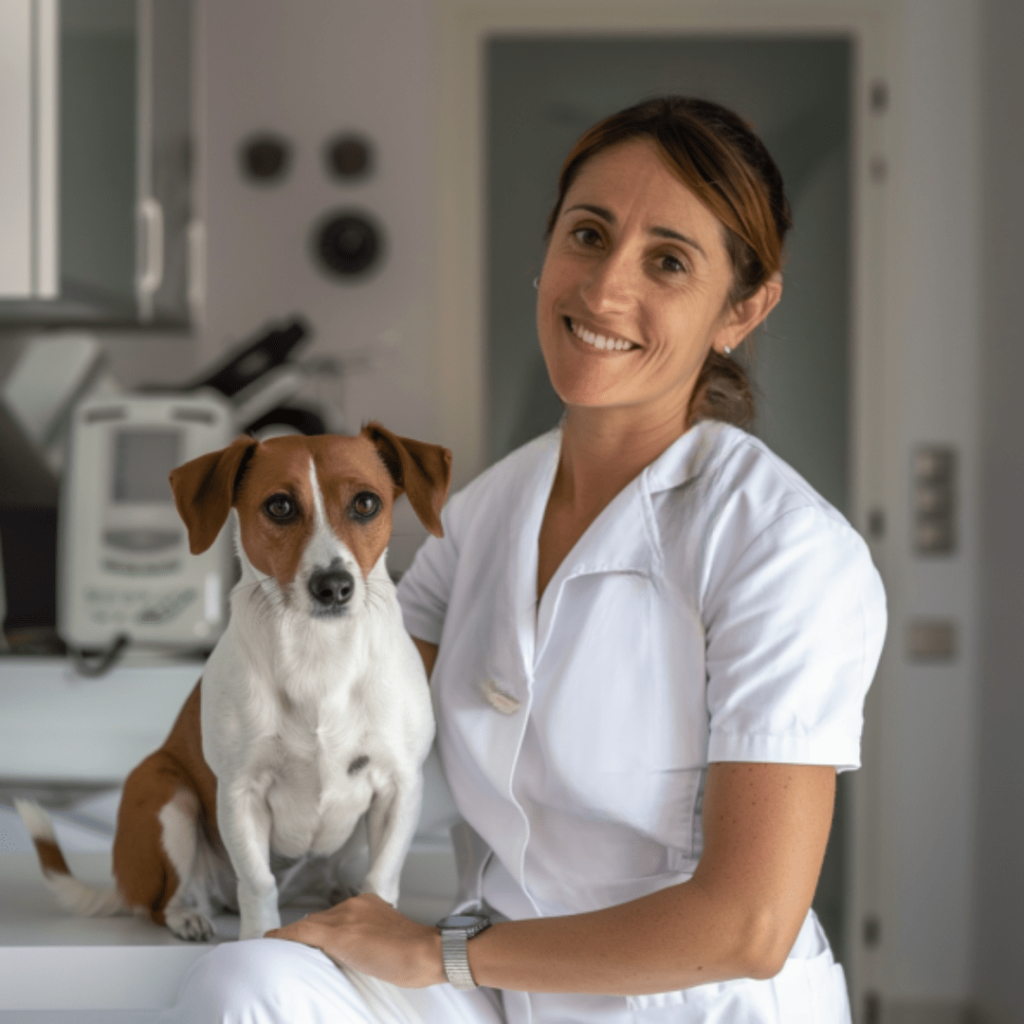
Dr. María García, based in the Murcia region of Spain, is an expert in the veterinary field, bringing a decade of experience dedicated to the health and well-being of pets. A graduate of the Autonomous University of Barcelona, she now works at the Veterinary Emergency Hospital in the Murcia region as a specialist in small animal surgery. Her work on hip dysplasia and arthritis has improved the daily lives of many animals, earning her great respect within the veterinary community.