

Your dog has bad teeth and you are searching for a healthy and good alternative. You might have heard that wet food is a no-go for dental health, yet dry food can be too hard for them to chew.
This leaves many dog owners asking: What’s the best option out there?
The key is finding food that’s just the right texture—neither too hard for their sensitive gums nor harmful to their teeth. Many of us are in the same boat, looking for a diet that’s easy to chew, doesn’t hurt our wallets, and, most importantly, keeps our dogs healthy and happy.
This article offers you clear, practical advice for those navigating the feeding challenges that come with dental issues in dogs. Before we dive into our detailed analyses of different options, here my recommendation what to do if your senior dog has bad teeth and you need the fitting dog food:
- For dogs with dental sensitivities, soaking kibbles is the best solution, as they are balanced and affordable, making meals easy to chew.
- If considering wet food, select only high-quality types with high amount of protein, natural ingredients, vitamins, minerals, hydration and low in sugar and carbs.
- For those with sufficient time, preparing homemade meals, whether cooked or raw by using the BARF method, is highly recommended. This approach gives you complete control over the quality of food, ensures there are no additives, and creates meals that are easy to chew, promoting your dog’s health.
Every dogs owner personal situation is different therefore I made this handy overview of your different options so you can compare based on the criteria that are most important to you:
*this may change depending on the product and brand you choose Soaked kibbles Soft kibbles Wet foods Homemade Meals BARF Diet Suitable for dental problems ✅ ✅ ✅ ✅ ✅ Quick and easy ✅ ✅ ✅ ❌ ❌ Respect the nutrients needed ✅ ✅/❌* ❌ ✅ ✅ Cheap ✅/❌* ❌ ❌ ✅ ✅ High in protein ✅ ✅/❌* ❌ ✅ ✅ No artificial additives ✅/❌* ❌ ❌ ✅ ✅

A common concern among pet owners is whether wet food is appropriate for dogs with dental issues. It’s a topic that comes up frequently, especially for those caring for senior dogs or those who’ve undergone dental procedures. The answer is nuanced, pointing out that wet foods, especially high-quality ones, can indeed meet the dietary needs of dogs with bad teeth, but they must follow a correct dental routine in parallel including tooth brushing, dental treats, and a lot of tug and pull games.
Understanding the pros and cons of wet food for dogs with dental challenges : ✅ Pros of Wet Food ❌ Cons of Wet Food Ease of Eating: High-quality wet food is soft, making it ideal for dogs with dental issues and ensuring comfortable mealtime. Dental Health: The lack of a ‘brushing’ effect compared to dry kibble raises concerns, but these can be mitigated with regular dental care such as dental chews and brushing. Hydration and Nutrition: Wet food provides extra moisture, beneficial for hydration. It is highly palatable and nutrient-rich, supporting overall health without preservatives and synthetic ingredients. Product Selection: Quality varies, and some canned foods contain added sugars and low-quality ingredients. It’s important to choose high-quality options free from unnecessary additives by reading labels. Scheduled Feeding: Requires a structured feeding routine, which helps with portion control and ensures dogs are satisfied. Feeding Method: Not suitable for free feeding due to its perishable nature once opened, necessitating scheduled meal times to prevent spoilage.
Factors to consider when choosing wet food
Now that you know the pros and cons of wet food, let’s talk about the factors to consider when choosing it:
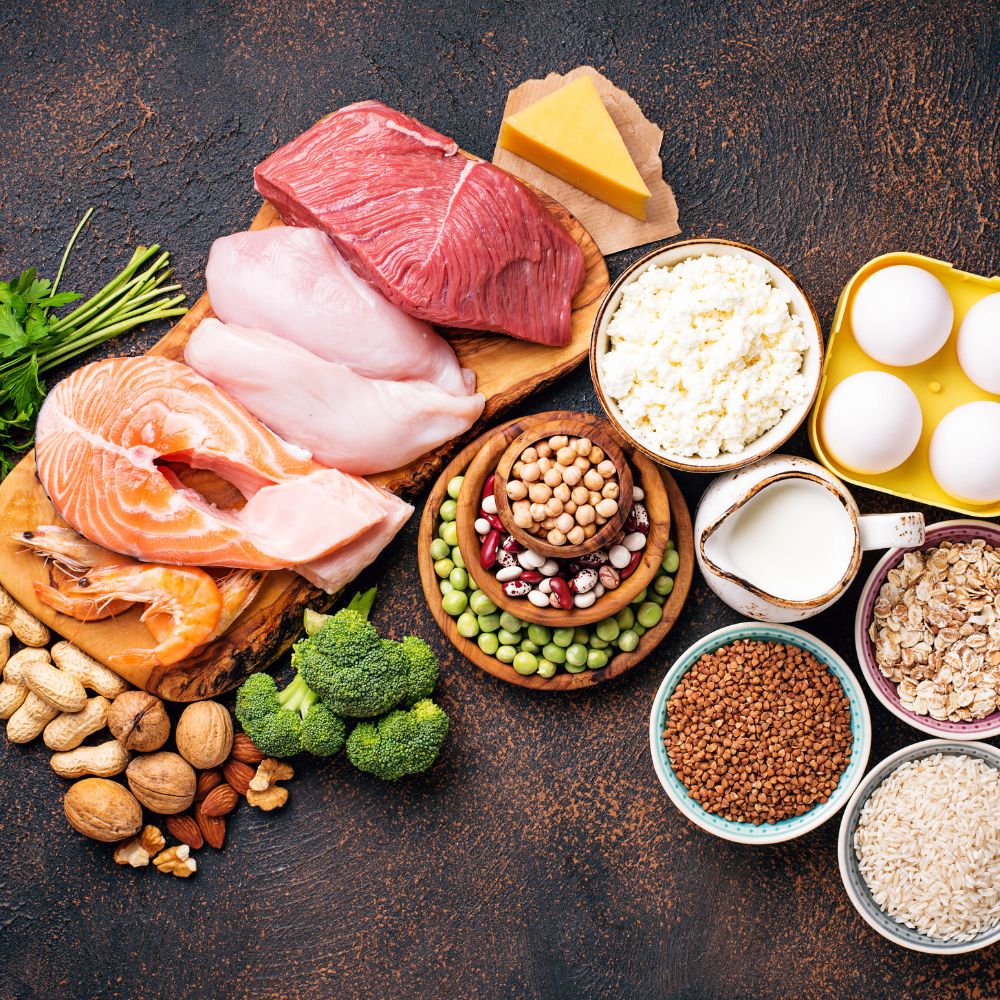
High-Quality Protein: Choose food with a primary ingredient of chicken, beef, or fish to ensure nutritional value and palatability.
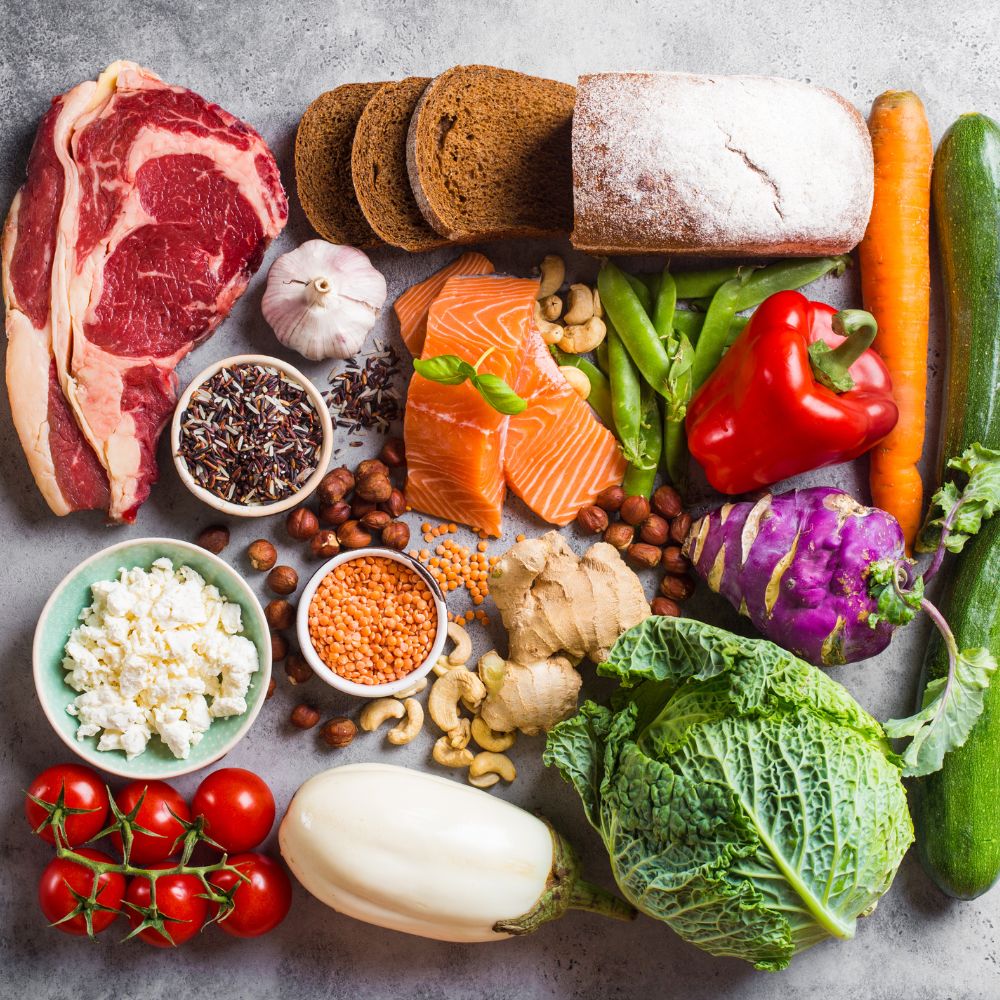
Natural Ingredients: Opt for foods free from artificial preservatives, colors, or flavors, which are healthier for sensitive dogs.
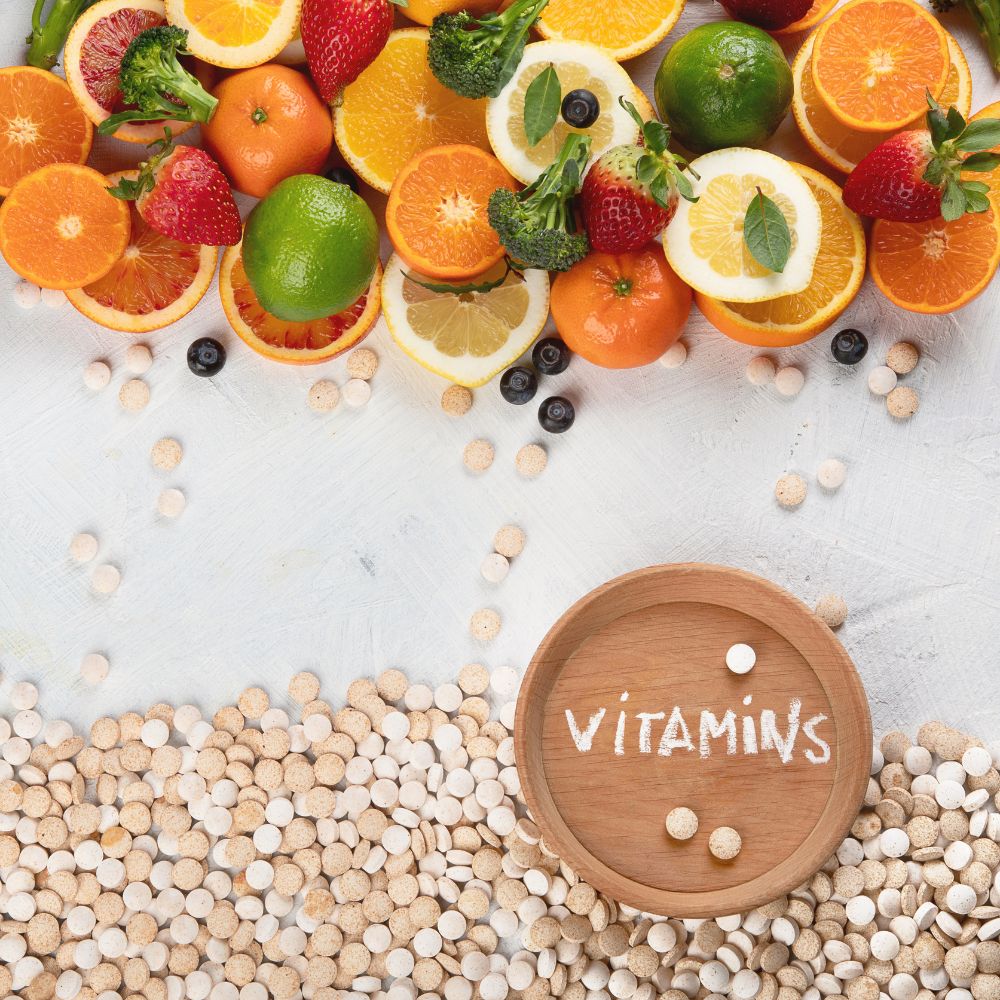
Nutrient Balance: Look for a balanced nutritional profile with adequate vitamins, minerals, and moisture for hydration.
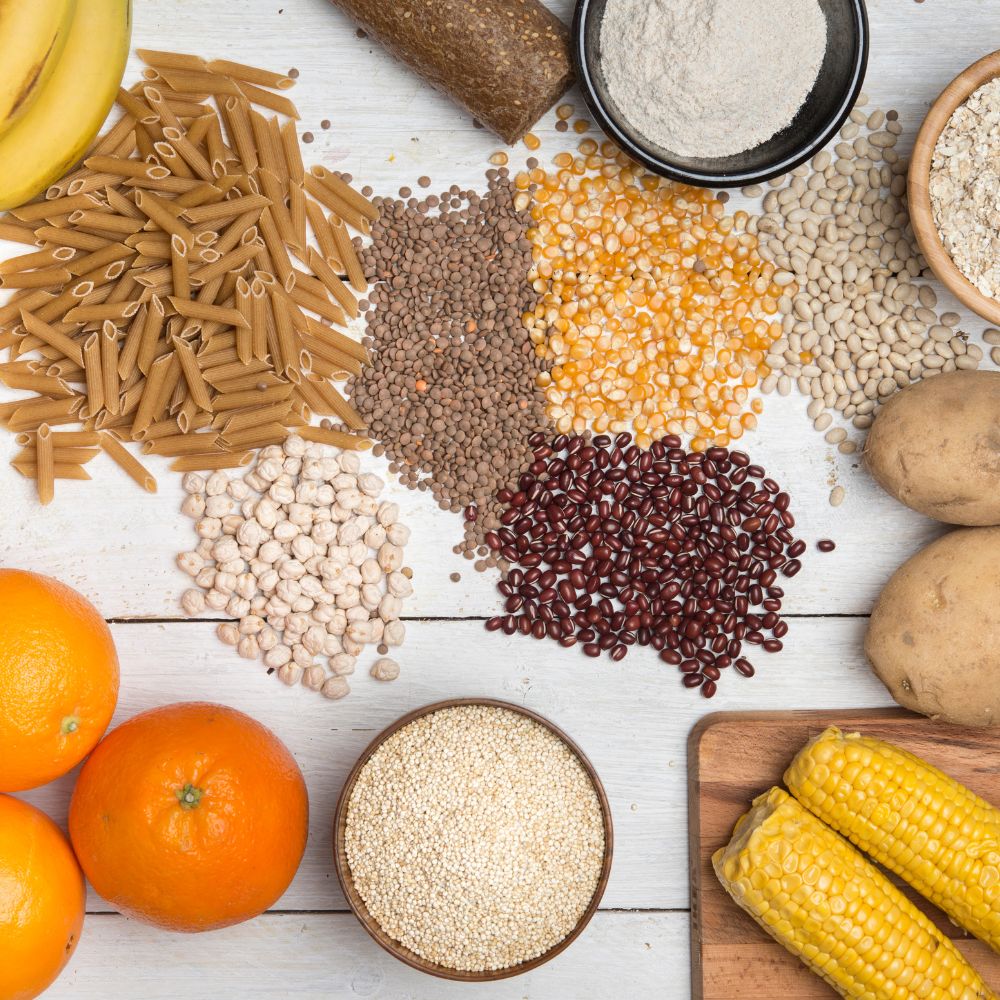
Low Sugar and Carbs: Prefer foods with minimal sugars and carbohydrates to help prevent plaque buildup and maintain overall health.
After presenting the pros and cons and the factors to consider about wet food, here is my recommendation. There are many options with natural ingredients on the market but Lily’s Kitchen Chicken & Turkey Casserole is the top canned food choice for dogs, made with 60% fresh, high-quality ingredients. This formula is especially gentle on pets with dental issues, supporting overall health and vitality with its easy-to-digest, soft, and moist texture. Perfect for dogs requiring a diet that promotes both dental comfort and optimal digestion, it’s a comprehensive meal solution.Lily’s Kitchen Recipe Wet Dog Food Key Features Benefits 
High-Quality Proteins ✅ Composed of 45% chicken and 15% turkey, ensuring a palatable and easily digestible protein source. Natural Ingredients & Low in Carbs ✅ No artificial colors, flavors, or preservatives; free from wheat, corn, or soy, supporting a healthier diet. Vitamins & Moisture ✅ Packed with essential vitamins (D&E) and high moisture content (73%) to support digestion and hydration. Omega-3 and Omega-6 ✅ Includes flaxseed, providing vital fatty acids to support skin health and coat shine.
For many dogs over three years old, dental issues make chewing hard kibble painful. Despite this, I will show you know a couple of tips and tricks to adapt their diet without sacrificing the benefits of dry food.
Soaking kibble in warm water or unsalted chicken broth to ease consumption is the best option for feeding dogs with dental sensitivities. It is super easy:
- Take the amount of kibble that corresponds to your dog’s weight and activity level and put it in a bowl.
- Add enough water or broth so that the kibble is covered.
- Leave it to soak for 15-20 minutes until all the kibble is soaked.
- Ready for your dog! Let him enjoy the soft kibble.
This method softens the food, making it easier to chew and enhancing its taste. Ideal for dogs with varying degrees of dental sensitivity, soaking ensures they receive their full nutritional intake without strain, benefiting from a superior list of ingredients found in many dry kibbles.
To note: Soaking the kibble in water or broth makes your dog ingest more water and therefore increases the need to go potty. Maybe you have to increase the number of potty walks or have easy access to elimination areas to avoid any accidents.
What is soft dry dog food? It is a blend of softer pieces with traditional kibble and offers an easier option for dogs with dental issues, balancing the cost between dry and wet food.
It’s typically nutrient-dense, but it’s vital to avoid brands with excessive additives and carbs that could affect dental health. Carefully check labels to choose a product that meets your dog’s dietary needs. Ideal for dogs with tooth sensitivity, this food ensures a nutritious, digestible meal without quality compromise.
Factors to consider when choosing dry food
When choosing soft dry dog food, you should take into account the following factors:
- prioritize products with meat or fish as the primary ingredient,
- complemented by fiber-rich fruits and vegetables,
- low carbs,
- no chemical additives
Note: Always remember that soaked or softened kibble should not be left out for long periods due to bacterial growth risk.
If you are looking for a fiber-rich, low carb no-chemical one, I could recommend you
Bosch HPC Soft Chicken & Banana is a superior choice for sensitive dogs, blending 60% fresh chicken with starch-rich bananas and easily digestible potatoes for a balanced, complete meal. This grain-free, semi-moist dog food is distinguished by its high residual moisture content of 18%, making it deliciously soft and easy to chew. Ideal even for picky eaters, it supports overall health, vitality, and optimal digestion.
Bosch Soft Chicken & Banana HPC Key Features Benefits 
Fresh Chicken ✅ High-quality, easily digestible protein source for energy and muscle maintenance. Bananas & Potatoes ✅ Grain-free sources of carbohydrates, offering energy and aiding digestion. Glucosamine & Chondroitin ✅ Supports joint health and cartilage, promoting mobility and bone strength. Chicory & Yucca Extract ✅ Enhances digestive health and reduces stool odor, contributing to a balanced gut flora. Essential Vitamins & Minerals ✅ Enriched with vitamins A, D3, E, and B-complex, plus minerals like zinc and iron for overall wellness.
Homemade meals, whether raw or cooked, are ideal for dogs with dental sensitivities, allowing precise control over quality and ingredient purity, and avoiding additives and processed foods.
However, these diets are not universally suitable and require tailored preparation to meet individual dietary needs. They are cheaper than packaged food however they demand significant planning.
Expert tip: If you have a big freezer, prepare the food once a month and store it in the freezer in weekly batches. This reduces preparation time and ensures freshness.
Home-cooked meals provide exact nutritional management, perfect for dogs with dental issues. Cooking and pureeing soups and stews yield soft, nutritious textures that are simpler to digest and significantly lower bacterial risks. This enhancement of both dental and overall health makes it an outstanding choice for your dog.
Key components of cooked meals
High-quality protein: Lean meats, fish, or eggs provide essential proteins.
Healthy carbohydrates: Include whole grains and vegetables like sweet potatoes for vital fiber.
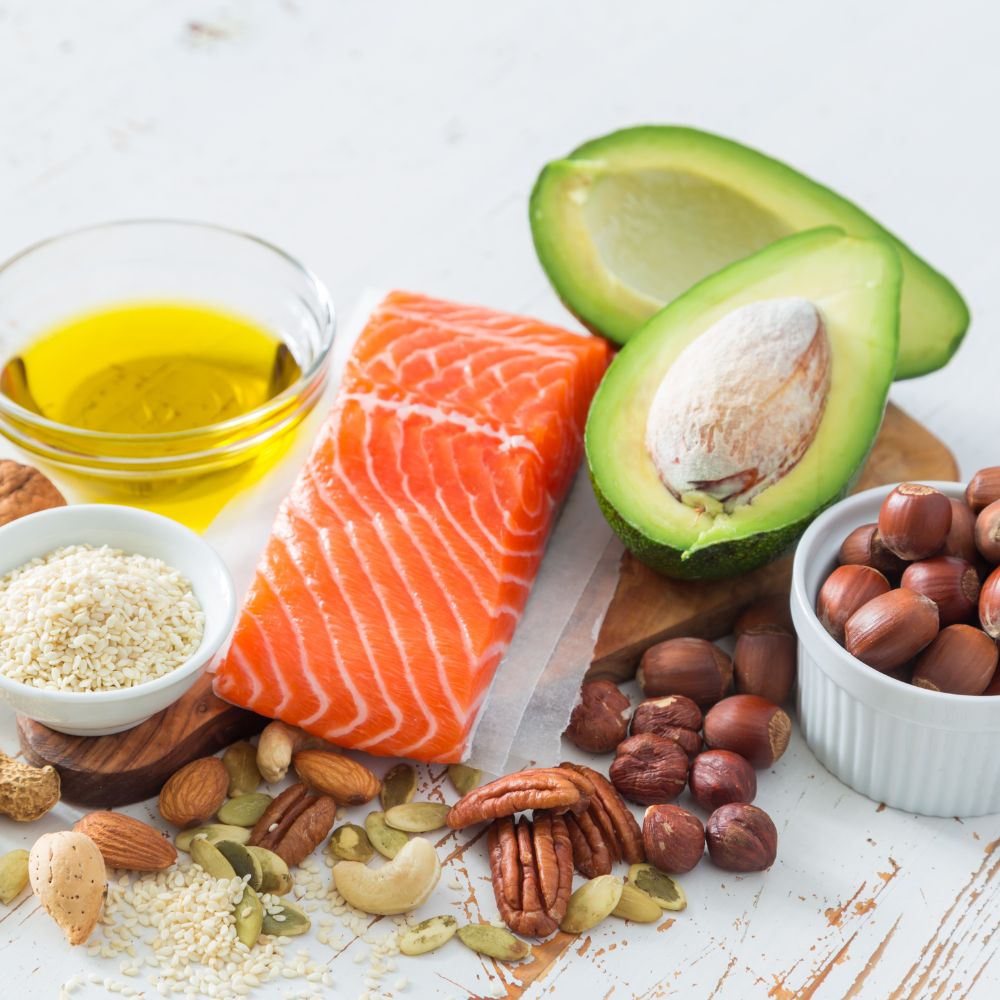
Good fats: Use beneficial oils like fish or olive oil, avoiding excessive fats and refined foods.

Dental health Ingredients: Parsley or coconut oil can improve dental health and freshen breath.
#2 The best homemade cooked meals for dogs
This efficient recipe requires only 10 minutes of prep time and uses a slow cooker to produce about 2.5l of food, ideal for easy portioning and freezing. Perfect for busy pet owners, it simplifies meal preparation significantly.

You probably have heard about the BARF diet. The Biologically Appropriate Raw Food (BARF) diet, composed of raw meats, bones, and vegetables, closely mimics a dog’s natural diet. It is highly recommended by veterinarians and has been substantiated by numerous studies highlighting its benefits, particularly for dogs with dental sensitivities.
This diet offers soft, chewable food that is easy on the teeth yet nutritious, enhancing dental health and ease of digestion. Its natural flavors and texture are ideal for dogs with reduced appetites or those requiring softer food.
Significant health advantages of the BARF diet include:
- Improved weight management
- A enhanced dental health
- A strengthened immune system
It seems complicated to build a correct and balanced barf diet but it is actually very simple. Just get all the ingredients and put it in a bowl and you are done. See my recommendations of the quantity and ingredients below:
The ingredients
Category Quantity Ingredients Considerations and Importance Muscle Meat 70% Chicken, turkey, beef, fish, lamb, pork, rabbit, venison Main protein source
Limit fish to once weekly due to heavy metals.Edible Bones 10% Chicken necks, feet, wingtips, backs; turkey necks; rabbit feet; pork tail Provides essential calcium and phosphorus for bone health. Liver and Other Organs 10% Liver (chicken, beef, pork); kidneys, heart, spleen, pancreas, testicles, ovaries Liver 5%
Other organs 5%
Include a mix of at least two different secreting organs to meet comprehensive nutrient needs.Vegetables and Fruits 5% Vegetables: Broccoli, carrots, celery, pumpkin, spinach, squash, leafy greens;
Fruits: Apples, blueberries, cranberries; Herbs: Basil, oregano, parsleyVegetables and fruits for fiber
Avoid avocados, grapes, onions, garlic, raisins.Seeds, Nuts, Dairy and Supplements 5% Seeds: Flaxseeds, chia seeds, hemp seeds;
Nuts: Almonds, cashews, pine nuts;
Dairy: Cottage cheese, plain yogurt;
Eggs: Raw eggs;
Supplements: Fish oil (sardines, salmon oil)Seeds and nuts should be soaked and ground
Avoid toxic nuts like macadamia and black walnuts
Fish oil for omega-3s, beneficial for skin, coat, and brain health.
Just put all the ingredients in a bowl and mixed it. Some ingredients like chicken feets or other meats can be feed whole and more like a snack. You will see your dog will enjoy it and naturally will clean his teeth with it.
Feeding quantities
The feeding quantities depend on the activity level and age of your dog. You know him the best and see how your dog will react to the new food. BARF is easily digestible. You will notice it in reducing elimination and maybe your dog is also losing some extra weight he has put on by the years. Dog Condition Feeding Quantity (of Ideal Body Weight per Day) Active, Underweight Adult Dogs 3% Adult Dogs at Ideal Weight 2-2.5% Senior, Less Active, Overweight Dogs 1.5%
Considerations
The BARF diet looks like a lot of work but it is definitely worth a try for your senior companion. You will see him more active and healthy. Here are some considerations that you should have in mind if you choose to switch to BARF:
- Storage: Refrigerate prepared meals for up to 3 days; freeze for up to 2 weeks for longer storage.
- Bone Safety: Choose non-splintering bones like chicken or turkey necks and avoid cooked bones to prevent injuries.
- Hygiene: Prevent bacterial contamination by wearing gloves and using antibacterial cleaner on all preparation surfaces and tools.
Finding the right diet for a dog with dental issues doesn’t have to be a challenge. Whether you choose wet food, soft dry kibble, or a homemade diet, the key is selecting options that are easy to chew, nutritionally balanced, and suitable for your dog’s specific health needs.
Every situations different and you may have personal preferences what to feed to your dog. Therefore I created this overview table to make your choice for dog food with dental issues easier:
*this may change depending on the product and brand you choose Soaked kibbles Soft kibbles Wet foods Homemade Meals BARF Diet Suitable for dental problems ✅ ✅ ✅ ✅ ✅ Quick and easy ✅ ✅ ✅ ❌ ❌ Respect the nutrients needed ✅ ✅/❌* ❌ ✅ ✅ Cheap ✅/❌* ❌ ❌ ✅ ✅ High in protein ✅ ✅/❌* ❌ ✅ ✅ No artificial additives ✅/❌* ❌ ❌ ✅ ✅
Remember, high-quality ingredients and proper meal preparation can significantly enhance your dog’s eating experience and overall health. If you are doubting between your options you can always consult your veterinarian, but in the end it will come down to how you can take care of your old friend. Based on your situation, on what you can afford and how much time you have the ideal choice will become clearer.
Not caring about your dog’s oral health can lead to server consequences:
- Severe pain
- Loss of appetite
- Overworked immune system
- Increased risk of heart disease
Therefore it is crucial to prioritize dental care by regularly brushing the dog’s teeth, giving him bones to chew on, and dental treats.
There are a couple of no-gos with dogs. They should avoid several specific foods that can be harmful to their health, including grapes, raisins, chocolate, walnuts, onions, and garlic, among others. These foods can cause a range of health issues from digestive upset to more serious conditions like toxic poisoning, so it’s important to keep them out of your dog’s reach.
Yes, toy breeds and brachycephalic (short-nosed) breeds such as Pugs, Shih Tzus, Boston Terriers, and some bulldogs are particularly prone to dental problems. They often have rotated teeth and malocclusions due to the small size of their jaws and crowding of teeth. These structural issues can lead to periodontal disease, making softer diets essential for easing dental strain and maintaining nutrition.
Here are my personal tips for helping your dog with dental problems:
- Incorporating dental chews can help remove food particles and minimize bacteria.
- Utilizing water additives and oral hygiene rinses, alongside therapeutic veterinary diets, also supports dental health.
- Consult with a vet for tailored advice and suitable products to maintain your dog’s oral care.
Reversing dental problems in dogs is possible if detected early, specifically during the first stage of periodontal disease, known as gingivitis. However, once the disease progresses beyond this initial stage, irreversible damage, including bone loss, may occur, necessitating tooth extractions to prevent further infection and jawbone deterioration.
About Dr. PAOLA López

Dr Paula López, a leading veterinary surgeon from Alicante, Spain, has devoted 20 years to improving animal health. She graduated with honors from the University of Murcia before furthering her expertise in animal nutrition at the University of Zaragoza, where she obtained an international master’s degree. In her clinic, she uses her in-depth knowledge, using advanced nutritional strategies such as the BARF method, to improve the well-being of many pets, demonstrating her commitment to animal welfare.


