

Quite frequently I have dog owners coming to my clinic struggling with their older dog pacing and walking around at night, not finding the rest they need. As a vet with decades of experience, this is an issue I have seen dozens of times, so I decided to write this article to put all my tips together and create a helpful guide for worried pet owners. If you and your furry pal are going through these struggles in the golden years, then remember you’re not alone, and it’s crucial to discuss these things with your vet to find a suitable solution.
My recommendations as a veterinarian are the following:

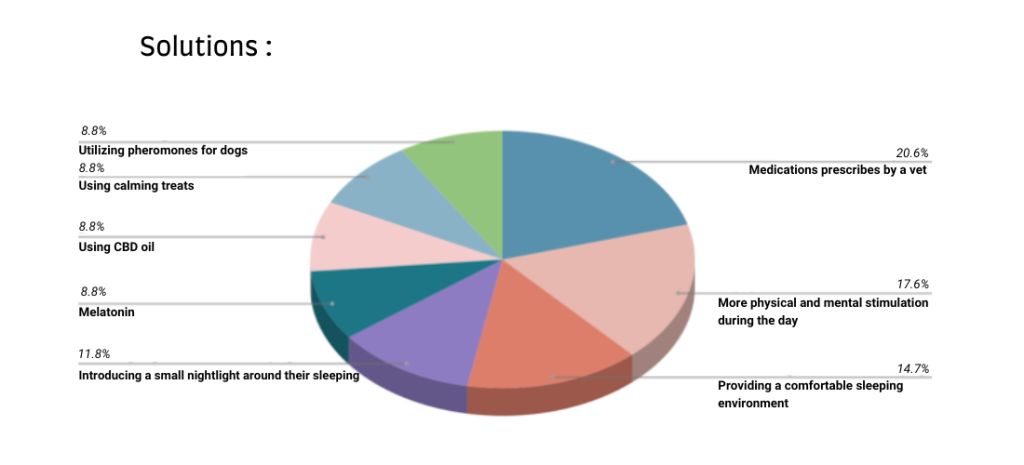
Imagen 1 : Solutions for dogs who are restless at night
- Why is your old dog restless at night ?
- What are the solutions for helping your dog sleep better?
- Conclusion
- FAQ
As dogs age, they may experience a range of physical and mental changes that can contribute to nighttime restlessness. Here are the most common reasons why your old dog might be restless at night and how to recognize them.
| Reason for Restlessness | What is it? | How to Recognize |
|---|---|---|
| Canine Cognitive Dysfunction, Seizures disorders, Nightmares | Canine Cognitive Dysfunction is also called dog dementia and is a cognitive decline in dogs when they are getting older. There are different types of seizure disorders, one of them the most common one epilepsy. Dogs often pace just after having a seizure. It’s possible that your dog is having nightmares. | . Disrupted sleep-wake cycles . Changes in responsiveness or human interaction . Loss of house training . Repetitive movements . Changes in activity or appetite, . Sundowning syndrome – a form of dementia typically in older dogs that causes confusion and anxiety at night time. . Confusion and disorientation |
| Anxiety-Related Behaviors in Older Dogs | Anxiety in older dogs can be another trigger for nighttime restlessness, leading to a variety of behaviors that pet owners should be aware of. | . Aggression or destructive behavior . Compulsive behavior . Hypervigilance . Loss of house training . Excessive drooling . Excessive barking . Panting . Running away or hiding . Pacing . Shivering . Excessive tail wagging . Enlarged pupils . Tucked tails . ‘Whale eye’ (seeing white on their eyes) . Excessive loss of hair |
| Physical Issues and Pain | Common sources of discomfort include arthritis, respiratory problems, inflammatory brain disease, hypothyroidism, diabetes, hypertension, Cushing’s disease, urinary tract infections and cancer. Pain may become more noticeable for your dog at night when there are fewer distractions. | . Changes in behavior . Limping . Reluctance to be groomed . Decreased stamina . Lethargy or weakness . Excessive drooling . Difficulty settling or getting comfortable . Avoiding touch . Issues walking up stairs . Yelping or whining |
| Sensory Changes and Aging Process | As dogs grow older, their bodies undergo various changes that can affect their overall well-being, including their ability to regulate body temperature. This diminished thermoregulation can become particularly problematic during the night, potentially leading to increased anxiety and discomfort. | . Trouble breathing . Weakness . Changes in sleep patterns . Stumbling or bumping into furniture . Not responding to calls . Sudden lack of appetite . Confusion or aggression . Reduced energy levels . Decreased stamina |
| Changes in Routine or Environment | Tweaking your dog’s daily schedule or their surroundings—like shifting their walk, meal, play, or sleep times—can throw them off their game, possibly stirring up nighttime anxiety. | . Pacing . Changes in behavior . Difficulty settling . Increased barking . Fear of being alone . Sudden lack of appetite . Confusion or aggression |
sources: NCBI, Canine and Feline Dementia, Vets4Pets, VCA, NIH
Nighttime anxiety in dogs can be a challenge for both pets and their owners. Finding a solution is crucial for the well-being of all involved. Here are some steps you can take to address your dog’s nighttime restlessness:
| Reason for restlesness | Best solutions |
|---|---|
| Canine Cognitive Dysfunction, Seizures disorders, Nightmares | . Consult your veterinarian . Consider medication . Try a brain-boosting diet . Incorporate supplements . Increase mental stimulation . Acupuncture |
| Anxiety-Related Behaviors in Older Dogs | . Consult your veterinarian . Incorporate supplements and calming treats . Increase physical and mental stimulation . Create a comfortable environment and bedtime routine . Look into alternative therapies |
| Physical Issues and Pain | . Consult your veterinarian and identify the source of pain . Consider medication . Look into alternative therapies . Choose a comfortable bed . Incorporate supplements . Adjust their diet |
| Sensory Changes and Aging Process | . Create a comfortable environment and bedtime routine . Incorporate supplements and treats . Adjust their diet |
| Changes in Routine or Environment | . Create a comfortable environment and bedtime routine |
If your dog is showing signs of anxiety or restlessness, your first step should be to consult your veterinarian. They can help you verify the cause of the issue and recommend appropriate treatments. For example, if a serious issue is behind the night pacing, such as joint pain, dog dementia, or even cancer, it is essential your vet is able to treat it as early as possible and prescribe the necessary medication.
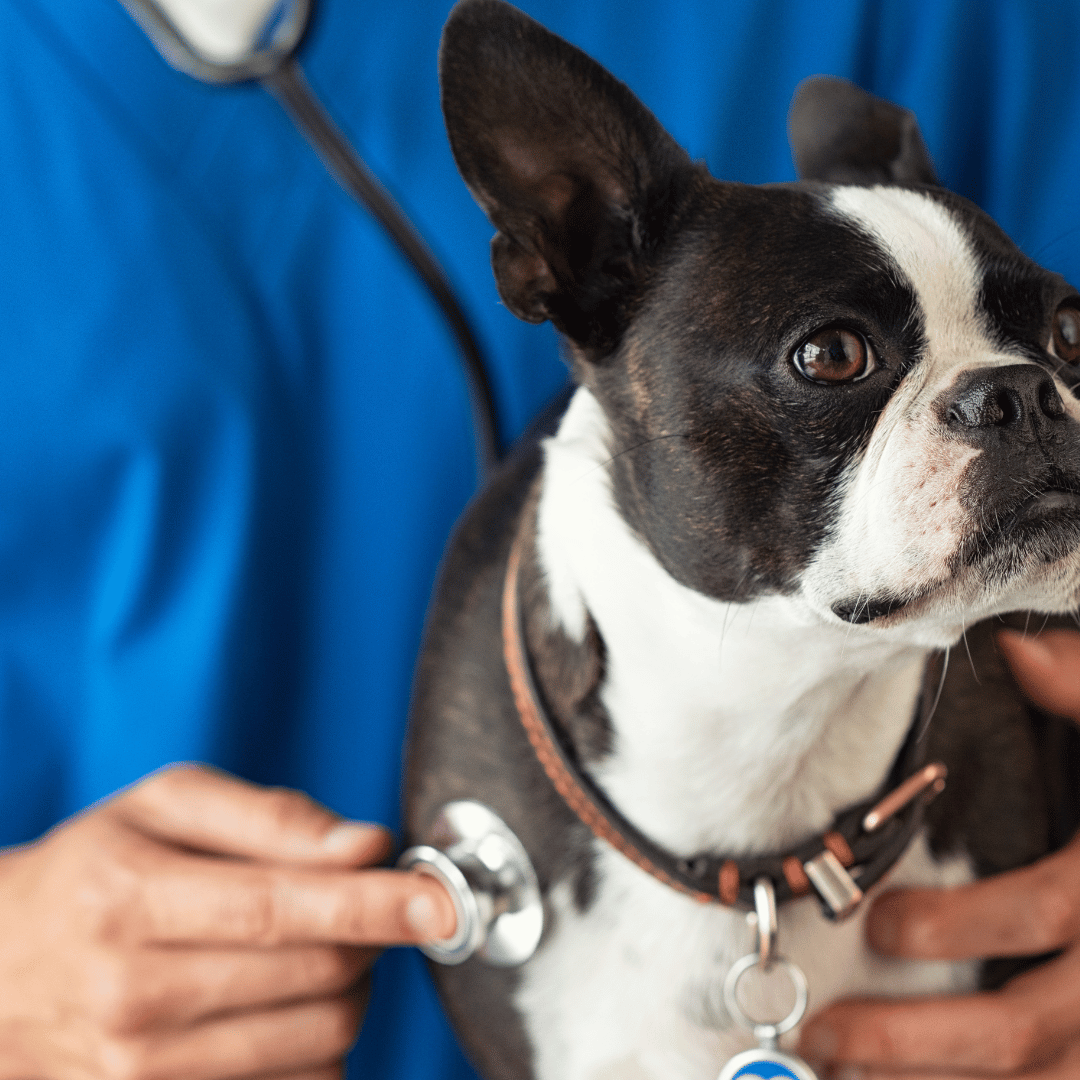
How do vets diagnose nighttime restlessness in senior dogs?
Initially, we, the veterinarian, will look into your dog’s nocturnal habits. A comprehensive physical examination follows, accompanied by various diagnostic tests to pinpoint the issue.
Preparing for this appointment is crucial. We love to see dog owners who can list all the symptoms or even better, maintain a journal where you record ongoing behaviors. This approach is invaluable, especially if your dog struggles with nighttime anxiety, seizures, allergies, or any persistent health conditions, ensuring no vital information slips through the cracks during the vet visit.
Questions to consider before meeting with your vet:
When did your dog’s restlessness start?
Do you see symptoms during the day or just at night?
Can you identify any triggers for the restlessness?
What seems to help the situation? What seems to make it worse?
How frequently does your senior dog feel uncomfortable at night?
Have there been any changes in the house or your dog’s life?
Your specific observations are crucial and will be even more critical when assessing the effectiveness of various treatments. You have the ability to gather specific daily life data about your dog that your veterinarians simply can’t observe.
Should your senior dog suffer from significant nighttime restlessness, we, the vets, might prescribe specific medications to mitigate their symptoms. Adhering strictly to the prescribed regimen is crucial, and it’s important to stay in communication with us regarding any necessary adjustments to the treatment. The medications typically recommended for managing restlessness in senior dogs at night are tailored to address their unique condition, ensuring their comfort and well-being:
- Anipryl® (selegiline): This monoamine oxidase type B (MAO-B) inhibitor is commonly prescribed for dogs with Canine Cognitive Dysfunction (CCD) to improve cognitive function and help manage nighttime restlessness.
Sideeffects: There is a 5 percent incidence of unacceptable side effects with Selegiline Hydrochloride treatment. These side effects include: vomiting, diarrhea, appetite loss, itchy skin, tremors, drooling, listlessness, disorientation, diminished hearing, or restlessness.
- Benzodiazepinas: These medications can be used to address anxiety and promote relaxation in restless senior dogs. Examples include:
- Xanax (alprazolam)
- Ativan (lorazepam)
- Valium (diazepam)
Sideeffects: Sedation is a possible side effect.
- Antidepressants: These medications can help manage anxiety, aggression, and other behavioral issues in senior dogs. Some commonly prescribed options include:
- Selective Serotonin Reuptake Inhibitors (SSRIs) and Serotonin-Norepinephrine Reuptake Inhibitors (SNRIs):
- Fluoxetine (Prozac)
- Sertraline (Zoloft)
- Paroxetine (Paxil)
- Tricyclic Antidepressants (TCAs):
- Clomipramine (Anafranil)
- Amitriptyline
- Selective Serotonin Reuptake Inhibitors (SSRIs) and Serotonin-Norepinephrine Reuptake Inhibitors (SNRIs):
Sideeffects: The problem is that blocking amine pumps in the brain also hampers the removal of norepinephrine, which is a fight-or-flight neurotransmitter. Having more stimulation of “fight or flight” creates what are called “anticholinergic” effects, which include: dry mouth, urinary retention, constipation, and dried respiratory secretions. Such anticholinergic effects are relatively common amitriptyline side effects.
- Serotonin Antagonist and Reuptake Inhibitors (SARIs): Trazodone is a popular medication in this category, known for effectively managing anxiety and stress in dogs.
Sideeffects: When trazodone use has been studied in dogs, 80 percent of dogs using trazodone experienced no negative side effects. For the dogs that did experience them, the effects most often seen involved aggressive food seeking, sedation, nausea, and diarrhea.
- Anticonvulsants: Pain medication like Gabapentin is helpful to treat anxiety, seizures and some types of pain.
Sideeffects: Sedation and incoordination are the chief side effects of concern, though they are temporary and resolve in a few hours. Cats may also vomit or drool, but, again, these side effects should resolve within 8 hours of receiving the medication. Diarrhea has also been reported.
Gabapentin can cause a false positive reading on urine dipstick tests for urinary protein.
Incorporating a brain-boosting diet can play a pivotal role in enhancing cognitive function and easing nighttime anxiety in senior dogs facing cognitive challenges. It’s important to look for diets that are rich in antioxidants, omega-3 fatty acids, and vital nutrients, all of which are key players in nurturing brain health.
Example: Purina Pro plan neurocare Adult is an innovative dog supplement specifically designed to support and enhance brain function in canines. It includes Medium Chain Triglycerides (MCT) and a range of neurosupportive nutrients, which are clinically proven to improve brain operations in dogs. The formula is particularly beneficial for elderly dogs, helping to bolster cognitive function and provide an alternative energy source for the brain. Additionally, the supplement supports healthy circulation and blood pressure, essential for optimal brain health. It also contains EPA, an omega-3 fatty acid known for its natural anti-inflammatory properties, which further aids in maintaining and enhancing cognitive functions in aging dogs.

Especially when your dog has kidney or liver conditions like bladder stones, kidney disease, or liver ailments, adopting a renal diet can be beneficial in mitigating symptoms and boosting overall well-being. These specialized diets are formulated to be low in sodium, phosphorus, and protein, which are crucial in avoiding exacerbation of kidney issues.
Example: ROYAL CANIN Canine Renal Pouch, is a premium wet food specifically tailored to meet the dietary needs of adult dogs suffering from Chronic Renal Insufficiency. This carefully formulated diet helps support kidney function through its low phosphorus content and moderate amount of high-quality proteins, which are vital for dogs with compromised kidney health. The Renal Pouch in Gravy is designed with a specific aromatic profile that enhances its palatability, making it ideal for dogs experiencing food aversion or reduced appetite. The gravy texture not only stimulates the appetite but also provides variety to cater to dogs who prefer mixed diets of wet and dry food. The on-pack feeding guides offer valuable information to ensure a balanced and healthy daily intake.

Shifting to a more natural diet for senior dogs improves the digestion of your dog. Adopting a diet that focuses on high-quality, mainly meat-based ingredients can be beneficial. This natural feeding approach steers clear of artificial additives and preservatives, prioritizing proteins that are most suited to their biological requirements.
Example: Harringtons offers a natural and balanced approach to dog nutrition with their Lamb & Rice Dry Dog Food, which is perfect for adult dogs. As the UK’s first carbon-negative pet food company, Harringtons takes pride in producing food that is not only good for your pet but also good for the planet. They generate their own electricity and source ingredients locally to minimize environmental impact. This 15kg bag of dry dog food is crafted with all-natural ingredients, ensuring a wholesome and tasty meal for your dog. The primary ingredient is meat, specifically rich lamb, providing a nutritionally balanced meal without any artificial colors, flavors, or added wheat—just the goodness of nature.

Before making any significant changes to your senior dog’s diet, always consult your veterinarian to ensure that the new diet is appropriate for your dog’s specific needs and health status. They can help you choose the best diet plan and guide you through the transition process.
Beyond medications and diet, the next important intervention you can take is giving supplements or treats. These additions can bolster cognitive function, encourage relaxation, and mitigate anxiety. We, veterinarians, often recommend several key supplement and treat categories for aiding restless senior dogs:
Omega-3 Fatty Acids: These crucial fats boast anti-inflammatory benefits and are pivotal for maintaining brain health in aging dogs. Incorporating fish oil supplements or treats rich in omega-3s can significantly enhance your dog’s diet, offering support to their neurological well-being.
CBD Treats: Cannabidiol (CBD) treats are becoming increasingly favored for their ability to ease anxiety and foster relaxation in dogs. It’s crucial to opt for high-quality, pet-safe CBD options and to seek your veterinarian’s guidance before incorporating these products into your dog’s regimen.
In this article, I reveal the top CBD products for older dogs: The 7 best CBD oils for senior dogs
Calming Treats: These treats typically contain a combination of natural ingredients, such as chamomile, valerian root, and L-theanine, which can help reduce anxiety and promote relaxation in senior dogs.
If you are looking for a high-quality calming treat with L-theanine and natural ingredients then you could consider YuMove Calming care for adult dog
Melatonin supplements: Melatonin is a natural hormone that regulates sleep-wake cycles. Melatonin supplements can help manage sleep disturbances and promote relaxation in restless senior dogs.

Herbal Supplements:
- Valerian, chamomile, Bach flower and passionflower : have calming properties and can be combined
- Basil, oregano, peppermint, and rosemary : beneficial for aging dogs and can be added to their diet
Before introducing any herbal remedies to your dog, especially if they are on medication or have existing health conditions, consulting with a veterinarian is crucial. Natural remedies come in several forms, such as capsules, tinctures, and teas. It’s essential to collaborate with your vet to ascertain the correct dosage and confirm that the supplement is suitable and safe for your senior dog.
| Kind of supplement | Effect |
|---|---|
| Omega-3 Fatty Acids | Anti-inflammatory benefits Maintaining brain health |
| CBD Treats | Eases anxiety Foster relaxation |
| Calming treats | Eases anxiety Promote relaxation in senior dogs |
| Melatonin supplements | Regulation of sleep-wake cycles Promote relaxation |
| Herbal Supplements | Calming properties Beneficial for aging dogs |
A 4th often overlooked measure you can take is adding some more games and toys to your dog’s routine. A well-exercised and mentally stimulated dog is more likely to sleep soundly at night. I always recommend not forget the daily walks, playtime, and brain-teasing puzzles into your dog’s routine to help expend energy and engage their mind. In general, there are 2-3 kind of toys and puzzles that can entertain your dog.
KONG Senior Dog Toy: A soft and durable toy that can be filled with treats or peanut butter, motivating dogs to work out how to release the contents. It’s specifically designed for older dogs with weaker jaws or dental issues.

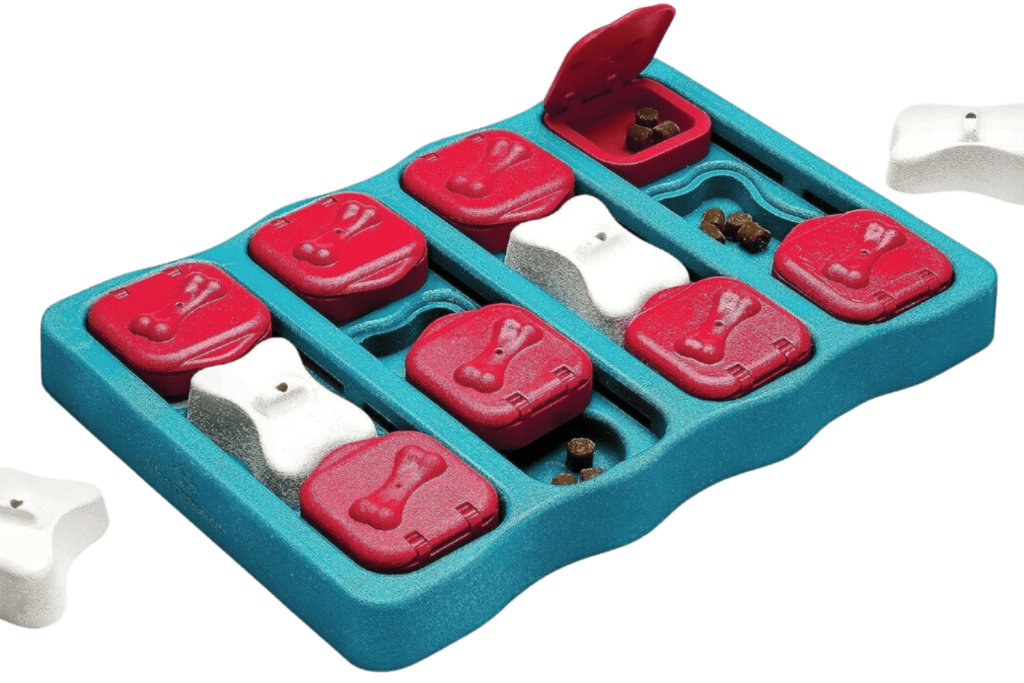
Outward Hound Nina Ottosson Dog Brick Puzzle: Nina Ottosson offers a range of interactive puzzle toys with varying levels of difficulty, suitable for senior dogs of different cognitive abilities. These puzzles require dogs to move pieces, slide compartments, or lift flaps to reveal hidden treats.
Snuffle Mats: Snuffle mats are designed to stimulate a dog’s natural foraging instincts, as they must use their nose to locate treats hidden within the fabric strips. These mats can provide mental stimulation and a calming activity for senior dogs while being gentle on their teeth and gums.

If dog owners opt to incorporate some kind of playful stimulation puzzles or sniff mats, I can observe a decrease in anxiety and a more active dog. These kind of toys can be beneficial for sustaining cognitive function, easing anxiety, and lessening nighttime restlessness. It’s important to always monitor your dog when they’re engaging with puzzle toys to guarantee their safety and well-being.
Ensuring senior dogs get adequate exercise is crucial in managing nighttime restlessness. Much like humans, dogs tend to sleep better after a day filled with activities. Gentle walks can significantly benefit older dogs, not just by tiring them out physically but also by engaging their minds. The variety of scents they encounter outdoors provides mental stimulation, which is key to helping them unwind and relax afterwards.
However, it’s important to moderate their exercise intensity; overexertion can be detrimental, potentially exacerbating health issues rather than alleviating them. A leisurely stroll, rather than a strenuous run, is often sufficient. It’s essential to let your senior dog set the pace—follow their lead and allow them to decide how far they wish to go, ensuring the walk is enjoyable and beneficial without being overwhelming.
One of easiest measures to implement that often has one of the biggest effects is to provide a comfortable and soothing environment that encourages relaxation and sleep. I always recommend to make sure you check the following topics:
- Comfortable Bedding: Ensure that your senior dog has a comfortable, supportive bed. For a senior dog, it’s definitely time you look for a proper orthopedic dog bed. It’s important to note that not all orthopedic dog beds are the same, so I always recommend to look for one that has an extra thick memory foam mattress. Especially if your dog is struggling with arthritis or joint pain. Additionally, putting an anxiety wrap on your dog can give them the feeling of being hugged, potentially easing their discomfort. It applies a gentle, constant pressure to your dog’s torso, like swaddling an infant or a comforting hug to help them feel calmer.
- Temperature Control: Older dogs might struggle with body temperature regulation. Some dog beds offer reversible mattresses, which keep your dog cool in summer and hot in the winter. (link to Silverwoof) To further help, keep the environment at a comfortable level, using cooling pads or heated blankets tailored to their needs.
- Reduced Lighting: Soften room lighting to support their natural sleep rhythms, avoiding bright lights that could disturb their slumber.
- The location of your dog’s bed: Position their bed in a safe, accessible spot. For dogs with separation anxiety, consider placing their bed in your room or where they can see you, enhancing their sense of security.
Establishing a stable bedtime routine is very important for senior dogs. As these older dogs may experience increased anxiety due to their diminishing senses, a consistent routine offers a sense of security and predictability, easing their stress. This regularity is also beneficial for maintaining their sleep patterns, which are often disrupted by cognitive dysfunction associated with aging.
Here some tips how to keep up with your routine:
- To foster a comforting bedtime routine, it’s important to adhere to a fixed schedule.
- Ensure that bedtime is at the same time every day and occurs in a familiar, unchanging location.
- Maintaining consistency in their environment is key—avoid introducing new pets or people into their nighttime space, and keep the furniture arrangement constant so they are surrounded by familiar scents.
- Additionally, it’s wise to limit their food and water intake before bed, minimizing the chances of midnight bathroom needs.
- This combination of predictability, comfort, and dietary management can significantly improve the quality of rest for senior dogs, helping them feel more secure and settled throughout the night.
Some dog owners I talked to benefited a lot from incorporating soft music or a sound machine emitting white noise can be a soothing strategy for dogs who are restless at night. This approach helps mask disruptive ambient noises that might disturb their sleep, providing a consistent auditory backdrop that can encourage relaxation. The gentle, steady sound of white noise or calming melodies can significantly alleviate anxiety, creating a tranquil environment for your dog.
Here are my top four playlists of white noise and calming music:
White Noise 10 Hours in Spotify
if you have a very good bond with your dog another tip that might do wonders for you can be integrating massage into your dog’s routine can significantly enhance their relaxation and sleep quality.
Here the main benefits of massaging your dog:
- Helps in soothing tense muscles
- Releases any discomfort that might keep them awake
- Contributes to a profound sense of calm.
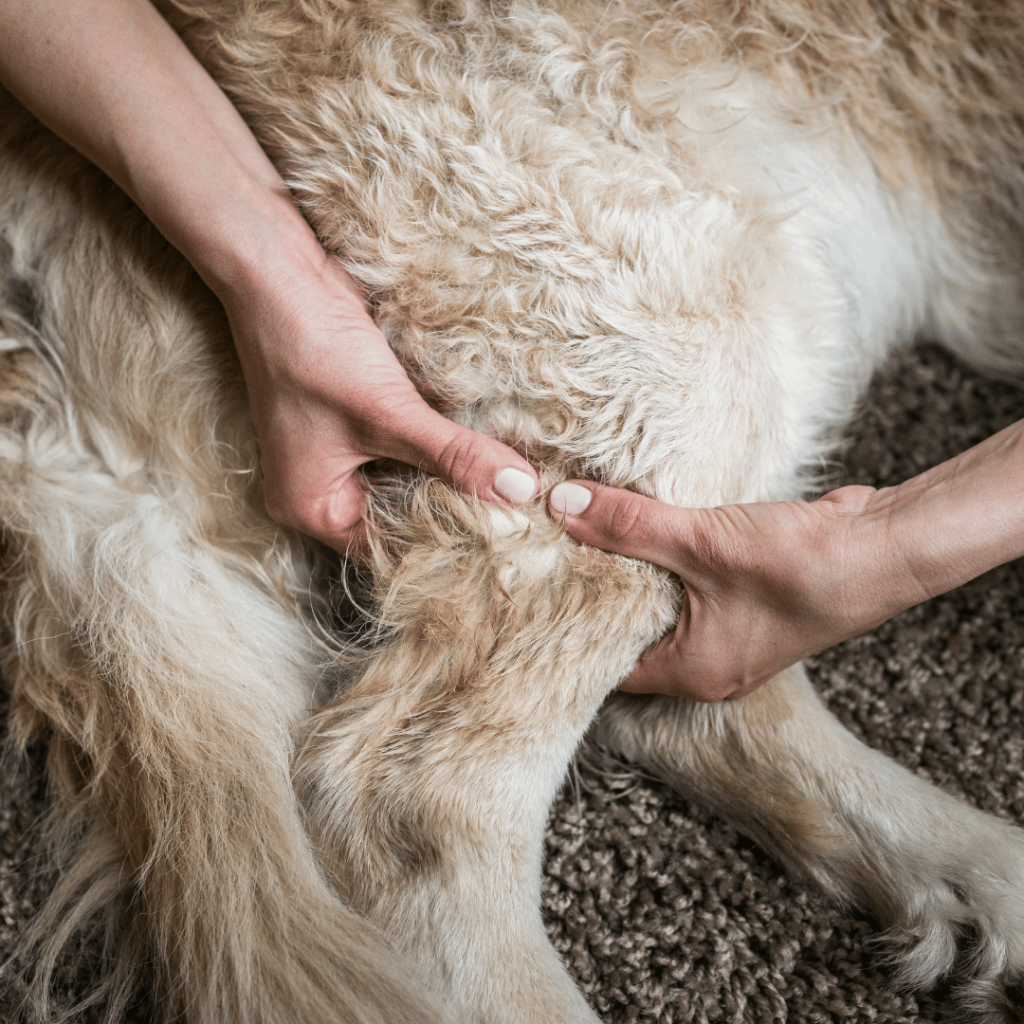
The act of massaging your dog can deepen the bond between you, fostering a deeper connection and a sense of trust and security. The deliberate, affectionate strokes of a massage can also improve circulation, easing any muscle stiffness or soreness that is especially common in older dogs. As a result, these moments of peaceful, focused touch can help your dog relax more completely, paving the way for a restful night’s sleep and enhancing their overall well-being. This is also a great method to incorporate if you want to help your dog get back to sleep after a bad dream.
Numerous dog owners are exploring natural remedies and alternative therapies to soothe their restless senior dogs at night, seeking to enhance their comfort and relaxation. These natural strategies can serve as complementary solutions alongside conventional treatments, offering a holistic approach to addressing nighttime restlessness and contributing to overall well-being.
One popular method is aromatherapy, which utilizes essential oils to create a calming atmosphere that promotes relaxation and sleep. When choosing essential oils, consider dog-safe options such as one drop of lavender and two drops of roman chamomile, which are known for their soothing effects.
To use aromatherapy effectively, invest in a pet-friendly, ultrasonic essential oil diffuser, like the “URPOWER Essential Oil Diffuser“. This diffuser disperses a fine mist of water and essential oils throughout your dog’s environment without using heat. It also features adjustable mist settings and an automatic shut-off function for added safety.

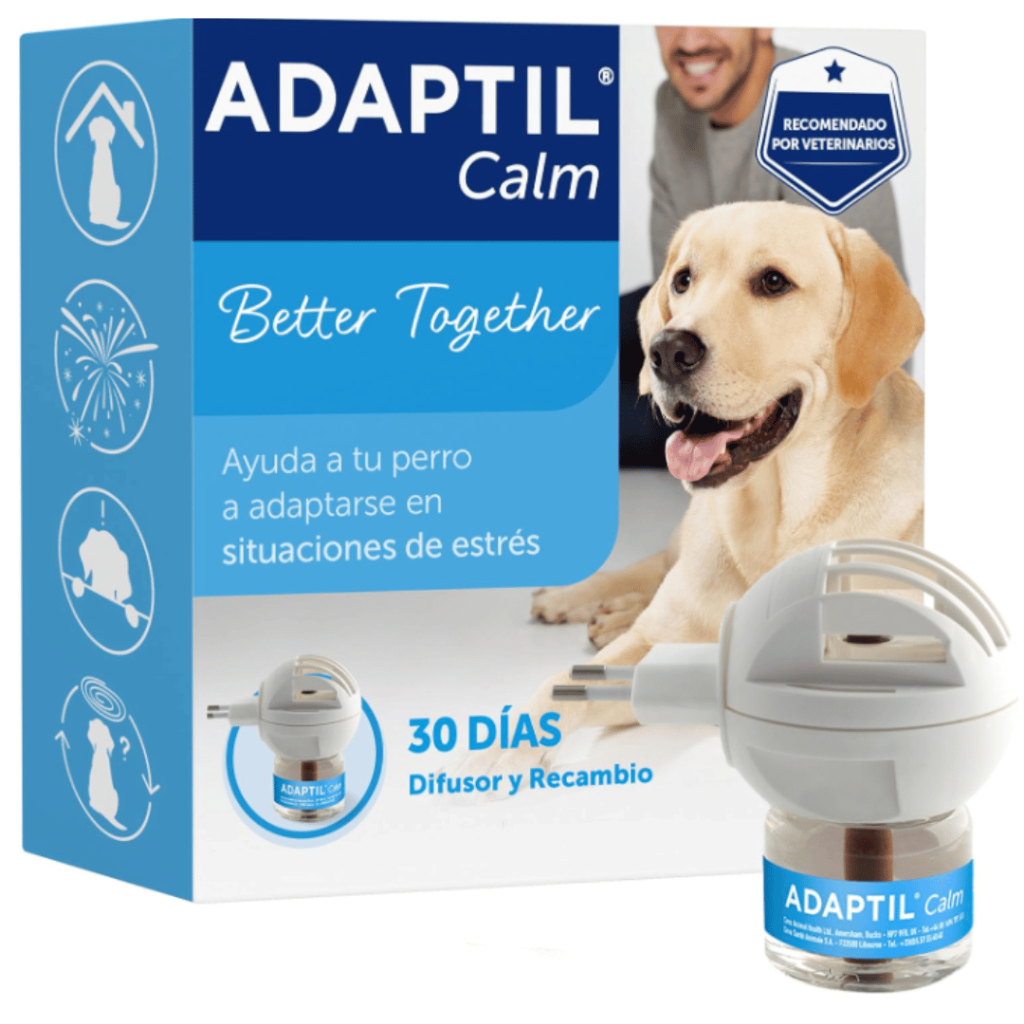
Another option is to choose a pheromone diffuser and sprays – like Adaptil® diffuser or collar. It may be useful if your dog’s restlessness comes from anxiety or cognitive dysfunction. Dog calming pheromones can help ease stress and anxiety in dogs, and they work by mimicking the natural pheromones that dogs produce to communicate with each other.
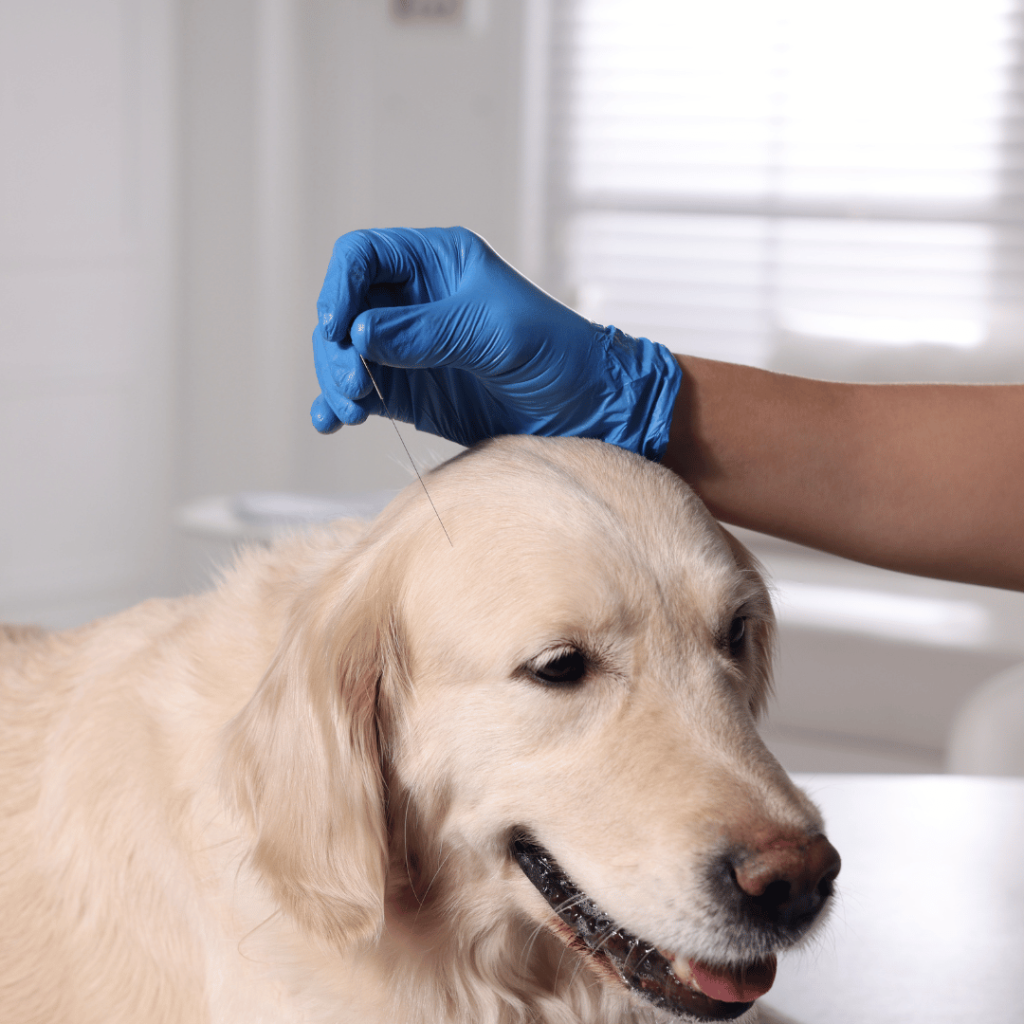
Last but not least an interesting option is acupuncture, rooted in ancient Chinese therapy, which involves the precise placement of fine needles at specific body points to relieve pain and enhance relaxation. I don’t have the extra certification to do acupuncture on dogs but many of my colleagues use it as an effective way to relax tensions in dogs. Although it may seem strange at first to perform acupuncture on a dog, it can be exceptionally beneficial for senior dogs grappling with arthritis or chronic pain. To explore the suitability and potential benefits of acupuncture for your dog, it’s essential to seek advice from a certified veterinarian. Do not try this at home!
To not only count on my opinion we asked in a Facebook group of top sleep solutions for restless dogs. Look here at the results. The top five solutions, as indicated by the survey participants, are as follows:
- Administer medication prescribed by a vet
- More physical and mental stimulation during the day
- Providing a comfortable sleeping environment
- Introducing a small nightlight around their sleeping area
- Administer Melatonin
The challenge of nighttime anxiety and restlessness in dogs can be daunting and frustrating. You can see your dog in agony and sleepy but it is hard to find the right solution. I hope I have presented a couple of useful tips that can make your dog comfortable at night.
My tip is to start with one or two adjustments and see how it goes. This is basically trail and error until you find the perfect combination of solutions that work with your dog. One thing that many dog owners overlook is that your dog needs stimulation. This tiers him out and eventually helps him sleep. This is one of my first tipps when I attend dog owners with restless dogs at night.
Key strategies include dietary adjustments, supplementation, enhancing both mental and physical stimulation, fostering a cozy sleep environment, instituting a regular bedtime routine, and contemplating various calming aids. Depending on individual circumstances, your vet might also suggest specific medications or alternative therapeutic interventions.
It’s crucial to acknowledge the distinctiveness of each dog, understanding that pinpointing the perfect mix of solutions may require a blend of time and perseverance. Keep in contact with your vet and make an action plan together, try to be consistent in implementing the solutions and you soon will have a dog that might find rest at night and be calmer.
Canine Cognitive Dysfunction (CCD) – also called Cognitive dysfunction syndrome (CDS) or dog dementia – is a prevalent cause of anxiety, confusion, and sleep disturbances in senior dogs, affecting between 14% and 35% of dogs over 8 years old, according to studies.
CCD shares similarities with Alzheimer’s disease in humans. Specifically, nighttime restlessness in senior dogs can be attributed to CCD’s interference with their sleep patterns and the emergence of sundowning syndrome (showing confusion and anxiety when the sun goes down).
Confusion and disorientation: Staring into space, getting lost
Disrupted sleep-wake cycles: Increased nighttime restlessness
Interaction changes: Anxiety, altered social behavior
Loss of house training: Urinating or defecating indoors
Sundowning syndrome: Increased confusion and restlessness in late afternoon or early evening
Although there is no cure for CCD, early implementation of proven therapeutic approaches can help improve cognitive ability and maintain a good quality of life for affected dogs.
Comforting your dog when they are anxious at night can help alleviate their distress. However, it’s essential to address the root of the problem rather than merely providing temporary relief. Working with your veterinarian to determine the cause of anxiety and implementing appropriate treatments can lead to a long-term solution.
Elderly dogs may cry at night for various reasons, including anxiety, pain, or medical conditions such as cognitive dysfunction syndrome. To determine the cause of your dog’s nighttime crying, consult with a veterinarian and explore appropriate treatment options to address the issue.
Comforting your dog when they are anxious at night can help alleviate their distress. However, it’s essential to address the root of the problem rather than merely providing temporary relief. Working with your veterinarian to determine the cause of anxiety and implementing appropriate treatments can lead to a long-term solution.
Melatonin is a natural supplement that can help regulate sleep patterns and may be beneficial for dogs struggling with sleep issues or anxiety. However, it’s essential to consult with your veterinarian before administering melatonin to your dog. They will help you determine the appropriate dosage and ensure that it’s safe to use with any other medications your dog may be taking.
about JAVIER FERNÁNDEZ
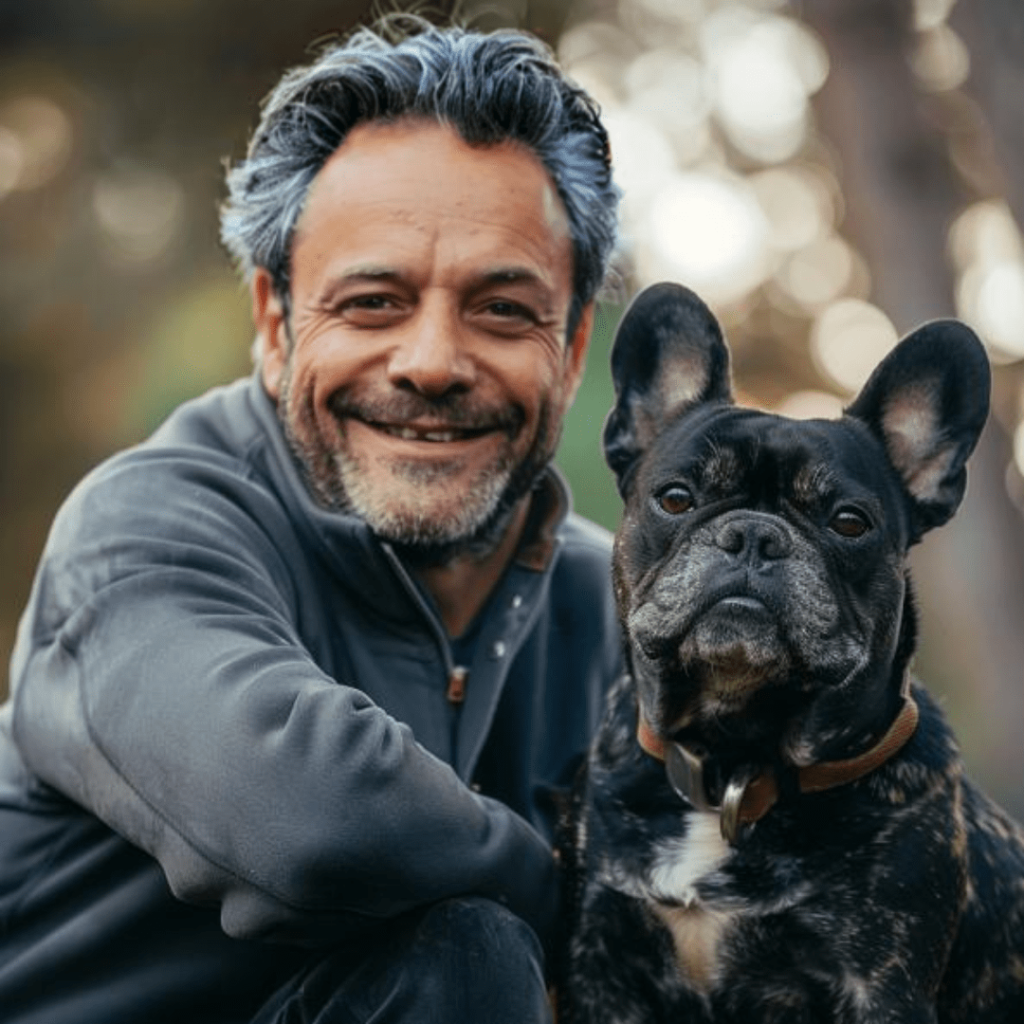
Javier Fernandez is a renowned dog trainer based in Madrid, specializing in canine anxiety with over two decades of experience. His expertise is backed by a Canine Behavior Modification Technician Course from Granada and a master’s in the Analysis and Intervention of Behavioral Problems, enriched further by the prestigious Separation Anxiety Certification Program. This certification, rare among Spanish trainers, emphasizes environmental and external factors in treatment, rather than labeling the dog’s behavior as the problem. Javier has professional experience in working with dogs with dementia and therefore has tried many different toys over the years. This article is his hitlist of the best toys for dogs with dementia.


