When it comes to caring for our older dogs, knowledge is our greatest ally. Symptoms such as coughing and gagging in older dogs can often leave us feeling helpless, fearing the worst. However, armed with accurate information and proven strategies, we can turn our worry into concrete and caring actions.
I am a veterinarian with more than 20 years of experience and have seen many times the struggle of pet owners with their older dogs coughing and gagging. Feeling helpless and hopeless are the predetermined feelings. Therefore I summarized my experience in this article that guides you through the common causes of these signs and offers practical strategies for managing them. Discover how tailored care and regular veterinary visits can make all the difference in the well-being of your four-legged companion in their golden years. Together, let’s explore how to ensure our loyal friends have a comfortable and happy old age.
How to deal with canine cough and gagging?
To enhance your dog’s quality of life when dealing with coughing and gagging symptoms, securing an early and precise diagnosis is essential. Here are the tips to improve the symptoms:
- Seek veterinary attention as soon as any discomfort becomes apparent.
- Maintain a consistent hygiene routine.
- Ensure regular veterinary check-ups
- Follow vaccination calendar
- Follow medication schedules
- Support your dog’s immune system with a nutritious diet
- Regular exercise helps the overall health of your dog.
First, we should discuss the numerous causes of coughing and gagging in senior dogs, which can be either benign or serious. Here are the main causes we have observed:
As age progresses, the respiratory system of our canine companions is not as robust. From the age of nine, dogs enter a period where respiratory issues become more common, according to a 2020 study. The gag reflex intensifies, making coughing and gagging more frequent symptoms in our aging four-legged friends.
As dogs get older, their immune system may not be as effective in fighting off infections and diseases, making them more vulnerable to various types of respiratory illnesses, which can cause coughing and gagging.
- Infection, kennel cough, and pneumonia: These conditions can inflame your dog’s respiratory system, triggering coughing and gagging. Infectious tracheobronchitis, more commonly known as kennel cough, is particularly rampant in confined spaces such as kennels or dog parks, thereby increasing the risk of contagion.
- Asthma: Just like in humans, dogs are not immune to asthma. This allergic reaction can cause serious inflammation of the airways, leading to constriction and spasm of the air ducts. Asthma attacks, unpredictable in nature, make diagnosis challenging.
- Tracheal Collapse: This condition is characterized by a collapse of the trachea, due to weakening of the cartilage often caused by age. More common in small breeds, it manifests itself with a distinctive dry cough.
- Laryngeal Paralysis: Laryngeal paralysis, affecting the throat muscles, leads to breathing difficulties in dogs. Older and larger breeds are particularly susceptible.
- Allergies: Similar to those in humans, allergic reactions in dogs can induce coughing and gagging, revealing the body’s sensitivity to certain environmental substances.
According to the American Veterinary Medical Association, about 10% of dogs suffer from a heart disease today. Thus, conditions such as mitral valve disease or heartworm can cause fluid accumulation in the lungs, leading to coughing and breathing difficulties, especially at night.
Dogs can accidentally inhale foreign bodies such as grass, food, or toys. These objects can lodge in their throat or respiratory tract, causing coughing and gagging.
Although rare, lung cancer can be a cause of canine cough in older dogs, especially those exposed to environmental contaminants. The cough may also indicate a metastasis from another origin to the lungs.
Now that we know the causes, let’s help you on how to identify them. Coughing in dogs, especially in older ones, can be a sign of various conditions, requiring special attention to identify the underlying cause.
Warning! This table is based on my personal experience and expertise, nevertheless, if you dog experiences coughing and gagging, take him to the vet immediately and rule out any serious conditions.
Here are details on each condition: Category Symptoms Solutions Aging Increased coughing and gagging with age Ensure an excellent hygiene for your dog
Implement a balanced diet for senior dogs
Introduce gentle exercises like swimming, quiet walks and puzzlesSlower movements Unexplained weight loss or gain Respiratory Infections Inflammation of the respiratory system (requires a veterinary examination for diagnosis) Adopt a healthy and balanced diet
Maintain a clean environment
Minimize environmental irritantsSneezing Fever Kennel Cough Lethargy Breathing difficulty Tongue retraction Laryngeal Paralysis Difficulty breathing Avoid intense effort Noisy respiration Coughing Tracheal Collapse Dry cough resembling a goose honk Weight management
Creating a soothing, stress-free environment
Use of a harness to reduce pressure on the trachea
Avoiding respiratory irritants such as cigarette smoke.Asthma Seasonal allergies Minimization of exposure to allergens
Maintain a clean environmentDifficult to diagnose without veterinary intervention Allergies Reactions to environmental allergens Itching, skin irritation Lung Cancer Unexplained weight loss or gain Managing diet and physical activity
Inclusion of nutrients
Improving comfort and mobility
Maintaining a clean, healthy environment Lethargy and decreased energy Difficult to diagnose without veterinary intervention Heart Disease Fluid accumulation in the lungs (veterinary consultation necessary for diagnosis) Weight loss or decreased appetite Cough harsh similar to (a cat with a hairball) Fatigue Foreign Objects Sudden onset of coughing and gagging Rapid veterinary intervention
Be vigilant during play and meals
Teach your dog basic commands such as “let go” or “leash”.Signs of respiratory distress Pawing at the mouth or throat
These symptoms highlight the importance of close monitoring of your dog’s health and the necessity of a veterinary consultation in the face of alarming signs. An early diagnosis can greatly contribute to the management of these conditions and improve the quality of life of your companion.
If you struggle to identify the coughs, here is a video of the most common ones: Kennel cough, heart disease, bronchitis, and tracheal collapse.

Image 1: Coughing and gagging Tips to help your senior dog
If your older dog starts coughing, stay calm. While it may cause worry, know that there are effective ways to manage and treat this issue.
The best advice is to ensure excellent hygiene: here a easy to follow check list for the best hygiene:
- dog’s living area,
- including its bedding,
- toys,
- bowls,
- taking care of its dental health are crucial for preventing infections.
- A well-balanced diet is also essential to strengthen your pet’s immune system and protect it against diseases.
What is a well-balanced diet for an old dog ? A balanced diet for an old dog focuses on nutritional adjustments to support their aging bodies, prioritizing muscle maintenance, joint health, cognitive function, and digestive health. Key components include:

High-Quality Proteins: Over 20% of the diet should be high-quality proteins from meat, fish, or poultry to maintain muscle mass crucial for their health and mobility.

Omega-3 Fatty Acids: The diet must be enriched with omega-3 fatty acids from sources like fish oil, vital for improving joint health, cognitive function, and the health of the skin and coat.

Moderated Carbohydrates: Carbs should be present but limited, chosen from complex sources like whole grains to provide energy without contributing to obesity.

Fiber: Adding fiber aids in digestive health, ensuring regular bowel movements and nutrient absorption.
Gentle Exercise: Choose exercises that are perfect for maintaining activity without overloading the joints, while preserving respiratory and cardiovascular health. Here are the top 3 of my best activities:
- Daily Walks: Shorter walks are still essential for fresh air, mental stimulation, and light exercise. Stick to manageable distances to avoid fatigue.
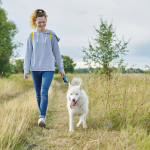
- Swimming: An excellent, low-impact exercise for dogs with joint pain. Ensure easy access in and out of the water, making it a safe and enjoyable activity that minimizes strain on their joints.

- Puzzle and Scent Games: Great for mental engagement and reducing anxiety without physical strain. Choose puzzles that match your dog’s cognitive level and stimulate their senses, ensuring they are safe and free from ingestible or harmful parts.

The key to managing respiratory diseases lies in rigorous hygiene and, often, the use of medications or vaccines. Here are some strategies you can apply at home:
Infections:
- Adopt a healthy and balanced diet to strengthen the immune system. See above solutions for a better diet adjusted to a dog with respiratory issues.
- Maintain a Clean Environment: to prevent bacterial proliferation.
- Vacuum and wash bedding regularly to remove fur, dander, and parasites, promoting healthy skin and reducing allergens.
- Clean water and food bowls daily to avoid bacteria like E. coli and Salmonella, preventing illnesses.
- Use pet-safe or natural cleaning solutions for your toys frequently to eliminate harmful microbes, keeping playtime safe.
- Keep small objects out of reach, cover trash cans, manage cords, and vacuum regularly to minimize hazards and dust mite allergies, creating a safer and cleaner space for your pets.
- Minimize Environmental Irritants:
- Reduce exposure to irritants such as cigarette smoke, incense, and scented products.
- Maintain cool, well-ventilated spaces, especially in areas your pet frequents.
- Consider adding a humidifier to combat dry air, ensuring a comfortable and safe environment for your pets.
My advice: Without a humidifier, the steam from a hot shower can be an alternative. Place your dog in a bathroom filled with steam and let it inhale the moist air for up to 15 minutes. However, be mindful of the ambient temperature and avoid overheating your dog.
Asthma and Allergies:
- Minimization of exposure to allergens:
- After walks clean the dog’s paws and in severe cases give a quick bath to remove allergens from the fur.
- Observe your dog closely while eating and eliminate any ingredients that do not agree with your dog.
- Maintain a Clean Environment:
- Sweep and mop the floors,
- Vacuum rugs
- Clean regularly the dust of your furniture
- If possible, get a vacuum cleaner with a HEPA filter. Regular filters can’t catch the allergens and just send them back into the air.
- Clean Your Dog: Bathe your dog after walks to remove outdoor allergens from its fur.
Tracheal Collapse:
- Weight management: As mentioned previously, a balanced diet is the key to avoid a overweight dog. See above for more information.
- Creation of a calming environment: Reduce stress and remove the collar to decrease pressure on the trachea.
- Use of a harness: Prefer a harness to relieve pressure on the trachea.
- Avoid respiratory irritants: like cigarette smoke.
Laryngeal Paralysis:
- Limiting activities: Avoid intense efforts in hot weather to prevent exacerbation of symptoms.
These practical tips for home care, combined with veterinary follow-up, can greatly contribute to managing respiratory diseases in your dog.
Management of diet and physical activity: To keep your dog healthy and prevent obesity consider the following tips
- Implement a balanced diet (see more information above)
- Keep your dog fit with regular, appropriate physical activity

- Nutrient inclusion: Incorporate specific nutrients like taurine and L-carnitine to support heart health, alongside a diet high in antioxidants, to help reduce the risk and manage symptoms.
- Improve comfort and mobility: For dogs with pain, limited mobility, or incontinence, consider using ramps for easier access, dog diapers and belly bands for cleanliness, harnesses and slings for mobility support, wheelchairs for outdoor activities, and home modifications like rugs or booties for better traction.

- Maintain a healthy environment: Implement the use of room purifiers and enforce a no indoor smoking policy to ensure a clean, safe living space, reducing potential irritants and promoting better respiratory health for your dog.

- Prompt Veterinary Intervention: In case of suspicion of ingestion of a non-edible object, immediate veterinary consultation is crucial to avoid serious complications.
- Active Monitoring: Be vigilant during play and meals to prevent any risk of accident or choking and control food ingestion.
- Teaching “Drop It”: Teach your dog basic commands like “drop it” or “leave it” to prevent the ingestion of dangerous objects and reduce health risks.
In conclusion, the challenges of coughing and gagging in older dogs can often be overwhelming for pet owners, but understanding the possible causes and proper management strategies can greatly alleviate these symptoms. A proactive approach, including prompt veterinary care, consistent hygiene practices, and tailored nutrition and exercise plans, is essential for maintaining the health and comfort of aging dogs.
By recognizing the signs early and responding appropriately, owners can ensure their loyal companions enjoy their golden years with better health and fewer discomforts. This commitment to comprehensive care not only improves the quality of life for our pets but also strengthens the cherished bond we share with them.
Congestive heart failure in a dog is characterized by pulmonary edema due to heart disease. Among other symptoms, it leads to a wet and congested cough, resulting from excess fluid in the lungs.
Coughing in a dog is generally manifested by short, jerky sounds, involving chest movement, and may sometimes project a small amount of saliva or clear fluid. Cough can be dry (non-productive) or productive, meaning it brings up mucus that the dog either swallows back down or expels.
Gagging, on the other hand, is characterized by a wide opening of the mouth and a scraping or coughing sound. The dog may not expel anything, or may release a bit of saliva, mucus, or white foam. Gagging often accompanies coughing.
In case of nausea, a dog may drool excessively or lick its lips. During vomiting, abdominal contractions occur, followed by the expulsion of stomach contents, ranging from food to yellow or clear liquid. Sometimes, vomiting also includes foam, often tinted yellow by bile.
If your dog is choking on a foreign object, shows signs of gastric torsion (bloat), or has difficulty breathing, seek emergency veterinary consultation immediately. Moreover, if it appears unwell, cannot find a comfortable position, is gagging every few minutes, or is pawing at its mouth, it’s advisable to make an appointment without delay.
It is important to consult a vet if your dog’s cough persists or is accompanied by other symptoms such as lethargy (lack of energy and enthusiasm), loss of appetite, or fever. Other concerning signs include coughing up blood, mucus, or foam, or if your dog’s cough worsens at night or when resting.
ABOUT Dr. Maria Garcia

Dr. María García, based in the Murcia region of Spain, is an expert in the veterinary field, bringing a decade of experience dedicated to the health and well-being of pets. A graduate of the Autonomous University of Barcelona, she now works at the Veterinary Emergency Hospital in the Murcia region as a specialist in small animal surgery. Her work on hip dysplasia and arthritis has improved the daily lives of many animals, earning her great respect within the veterinary community.