You might have heard about CBD products for dogs, but you are not sure about the side effects? You maybe already have looked into it but don’t know the difference between partial spectrum and full spectrum? It can be quite confusing, therefore we created a ultimate guide for dog owners about CBD products. This guide will help you understand what CBD is, which effect it has, why it can be beneficial for old dogs, and what kind of products you can offer your dog.
With age, dogs can experience a variety of health issues, and CBD might just be the answer to help improve their quality of life.
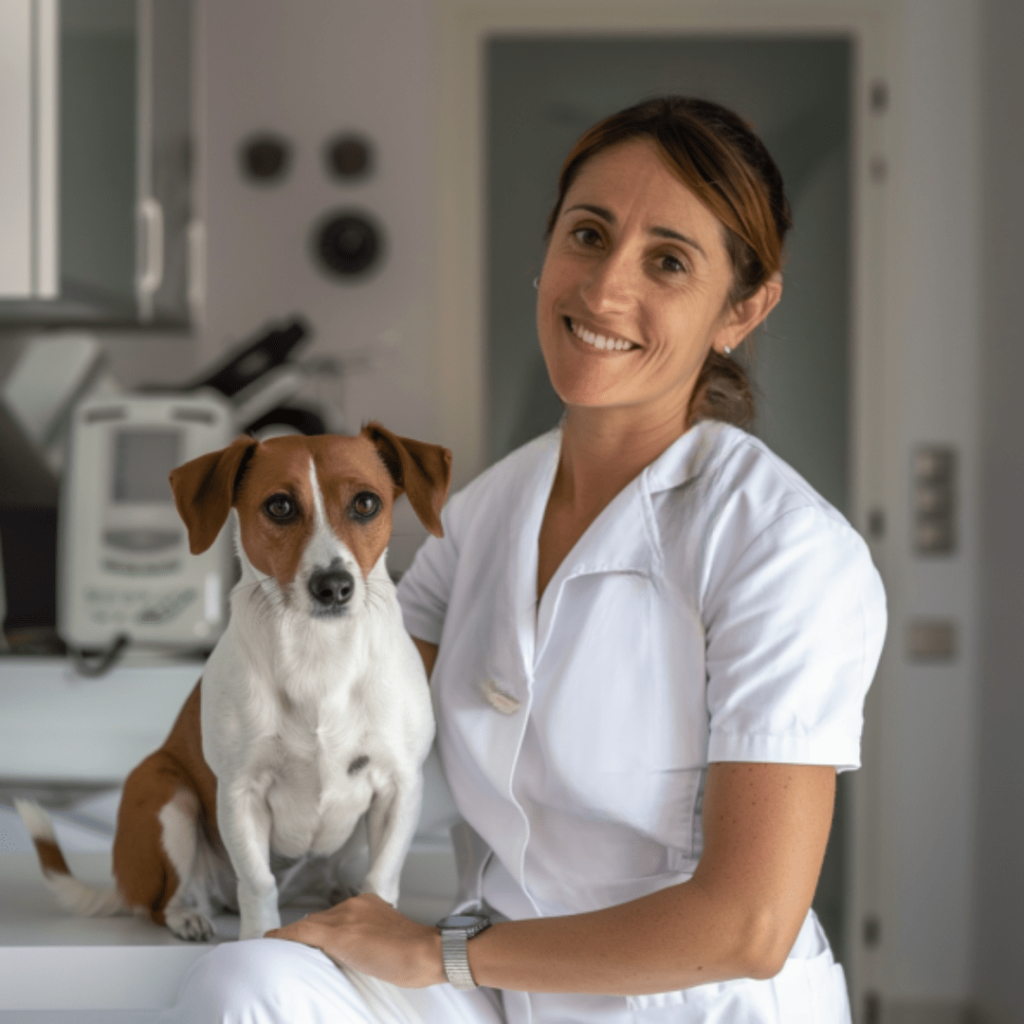
Before we dive into the details of CBD, let us introduce us. We are Dr. María García and Javier Fernandez. María Garcia is veterinarian that has her on practice already for more than 20 years. Javier Fernandez is a specialized dog trainer. Both have a lot of experience with aging dogs that are couping with new challenges in their golden years. Especially mobility and behavioural issues are the most common once. Therefore, María and Javier have tried administering CBD products to dogs to improve their quality of life and have found it very helpful.
Integrating CBD into the care routine of an older dog can significantly improve their quality of life by reducing pain, anxiety, and inflammation. Here some considerations:
- Start with a smal dose.
- Check with your vet in case of any doubt.
- Opt for specific CBD product for your dogs issue (anxiety, joint pain etc.)
- Verify your choice through a 3rd party testing.
- Closely monitor your dogs reaction to the product and adjust the dosage if necessary.
Before we recommend CBD products, we should understand what is CBD and the difference to THC.
CBD, or cannabidiol, is a compound found in the cannabis plant. It is one of many cannabinoids that have various effects on the body. Unlike THC (tetrahydrocannabinol), CBD does not produce a “high” and is considered safe and non-psychoactive.
The key to distinguishing CBD from THC? THC is psychoactive, creating euphoria, whereas CBD, which has no high, offers therapeutic benefits. THC stimulates the brain receptors responsible for euphoria, unlike CBD, which interacts differently with the body, promising health benefits without the psychoactive effects.
While THC is often restricted, CBD is mostly legal, provided it contains less than 0.3% THC, being favored for its medical applications, such as alleviating pain, inflammation, anxiety and epileptic seizures, unlike the recreational use of THC.
Many dog owners ask themselves what are the benefits of CBD products. That is why I made a a comprehensive overview of common health and mental issues of older dogs and the benefitis of administering CBD products.
| Benefits of CBD for dogs | Description |
|---|---|
| Chronic pain reduction | CBD helps against chronic pain, as indicated by studies. |
| Joint pain relief | CBD alleviates joint pain by modulating pain mediators and anandamide. In a current study 30 of 32 dogs showed pain relief. See study here. |
| Inflammation reduction | It reduces inflammation through the activation of endocannabinoid receptors. |
| Appetite increase and nausea combat | CBD stimulates appetite and reduces nausea by calming the nervous system. See study here. |
| Digestion improvement and gastrointestinal stress reduction | It enhances digestion and alleviates gastrointestinal issues by regulating inflammation and bacterial flora. |
| Anxiety aid | CBD decreases anxiety through its anxiolytic properties, aiding in cognitive well-being enhancement. See study here. |
| Sleep quality promotion | Suggested to improve sleep, CBD requires further research to confirm its effectiveness. |
| Brain health support | It promotes brain health and healthy aging through mitochondrial support and inflammation reduction. |
Have you seen CBD oils and treats and you are asking yourself what is the difference and what is better for my dog? After learning about the benefits of CBD products, we will now deep dive into CBD oils vs. treats and read about the pros and cons.
What are CBD oils?
CBD oil is essentially the extract obtained from the hemp plant, containing a concentration of CBD that’s believed to have therapeutic properties. This extract is typically mixed with a carrier oil like coconut or hemp seed oil to enhance absorption and efficacy.
CBD oil is prized for its versatility and direct method of administration, which often allows for more accurate dosing. It can be administered directly into the dog’s mouth, added to food, or even applied to the skin in some cases.
The concentration of CBD in oils can vary significantly, making it easier to adjust dosages based on the dog’s size, age, and specific health needs. This aspect is particularly beneficial for older dogs, who may require more precise dosing to manage various complaints such as joint pain, anxiety, or sleep issues.

Here you can consult our other article where we make a selection of the best CBD oils for dogs
What are CBD treats ?
CBD treats are specially formulated snacks for dogs, infused with a predetermined amount of CBD oil. These treats are designed to combine the health benefits of CBD with the palatability of dog snacks, making it easier for pet owners to administer CBD to their pets without hassle. The treats come in various flavors and textures, catering to the diverse preferences of dogs and ensuring that they are both enjoyable and beneficial.
The inclusion of CBD in these treats aims to provide a convenient and less invasive method of delivering the therapeutic properties of CBD, such as pain relief, anxiety reduction, and improved sleep patterns, especially for older dogs. Each treat contains a fixed dose of CBD, which helps simplify dosage calculations while catering to the general wellness needs of the pet. This fixed dosing, however, means adjustments for specific health needs require careful consideration and possibly combining treats with other forms of CBD administration for precise dosing.
Here an overview of CBD oil vs. treats with its pros and cons:
| Pros | Cons | |
|---|---|---|
| CBD oil | ✅Precise dosage adjustments ✅Rapid absorption ✅Can be mixed with food or administered directly ✅ Known for purity | ❌ May require more effort to administer to picky eaters ❌ taste may not be appealing to all dogs |
| CBD treats | ✅Convenient and enjoyable for dogs ✅ Variety of flavors available ✅ Easy to administer without mixing | ❌ Less precision in dosing ❌ Slower onset of effects due to digestion ❌ Can be more expensive per dose |
Now that you know the pro’s and cons of Oils vs. Treats, it’s time to talk about some key factors that you need to consider. These apply on both oils and treats. Here are the essential considerations:
- Choose products made from organically grown hemp to avoid pesticides and harmful chemicals. The quality of the hemp directly impacts the purity of the CBD product.
- Understand the difference between full-spectrum, broad-spectrum, and CBD isolate products and choose the right product depending on the healt needs and sensitivity. Full-spectrum products contain all the compounds found in hemp, including trace amounts of THC, offering the entourage effect. Broad-spectrum products are similar but without THC, while isolates are pure CBD.
- Opt for a high potency product if your dog has already tried CBD. Higher potency allows for smaller doses to achieve the desired effect, which can be particularly important for dogs with severe conditions. However, starting with a lower potency product might be wise for initial use.
- Ensure the CBD product has been independently tested by a third-party lab for potency, purity, and the absence of contaminants like heavy metals, pesticides, and molds. Reputable companies will provide a Certificate of Analysis (CoA) for their products. In most cases the brand publishes the certificat on their website for transparency. Many brands have the third party analysis (also called COA) for transparency on their homepage. See here the example of Honest Paws: https://www.honestpaws.com/pages/verify
- Check the product for additional beneficial ingredients such as glucosamine or omega-3 fatty acids that support joint health and mobility, apart from CBD. Also, be wary of harmful additives or preservatives.
- If you have a picky eater, choose the favorite flavor for your CBD treat. The flavor can significantly influence your dog’s willingness to take the supplement. Natural, dog-friendly flavors will make administration easier.
- Research the brand’s reputation and read customer reviews to gauge the effectiveness and safety of their products. Positive feedback from other pet owners can be a reliable indicator of a product’s quality.
After learning about the key factors to consider before choosing a CBD product we should now talk about the dosage. At the beginning this needs some time and you will have to try to get the right dosage as each dog reacts differently to the various CBD products but there are general guidelines that you can follow.
Javier had for example a gran danes that had anxiety issues and therefore was destroying the entry door, and just with a small dose of 10mg of CBD, the big dog converted in a cute puppy and calmed down.
The dosage of CBD products for dogs should be based on their weight or size. It’s always best to start with a small dose and gradually increase it until the desired effects are achieved.
The general rule is to give 1 to 5 mg of CBD per 4.5 kg of the dog’s weight. Please note that these dosage recommendations are general guidelines and it is always recommended to consult a veterinarian to determine the correct dosage for your senior dog.
Here is a table providing CBD dosage suggestions based on the dog’s weight:
| Dog weight | Low dose | Medium dose | Strong dose |
|---|---|---|---|
| 4.5 kg | 1 mg | 3 mg | 5 mg |
| 9 kg | 2 mg | 6 mg | 10 mg |
| 13.6 kg | 3 mg | 8 mg | 15 mg |
| 18.1 kg | 4 mg | 10 mg | 20 mg |
| 22.7 kg | 5 mg | 12 mg | 25 mg |
| 27.2 kg | 6 mg | 14 mg | 30 mg |
| 31.8 kg | 7 mg | 16 mg | 35 mg |
| 36.3 kg | 8 mg | 18 mg | 40 mg |
| 40.8 kg | 9 mg | 20 mg | 45 mg |
| 45.4 kg | 10 mg | 24 mg | 50 mg |
It’s important to note that the amount of drops may differ depending on the CBD product you use, so always check the instructions before administering it to your senior dog.
Tips for adjusting dosage
As previously mentioned, finding the right dosage of CBD for your old dog can be a lengthy process, involving careful observation and sometimes, adjustments. As pets respond to CBD in various ways, it’s crucial to adopt a tailored approach. Here are tips for fine-tuning the CBD dosage to meet your dog’s specific needs:
- Start Low and Go Slow: This principle is fundamental when beginning with CBD. After starting with a minimal dose, observe your dog’s response over several days. This cautious approach helps identify the smallest effective dose that produces the desired outcomes.
- Monitor Your Dog’s Reaction: Pay close attention to your dog’s behavior and health following the administration of CBD. Look for signs of improvement in the conditions you’re trying to address (like increased mobility, reduced anxiety, or better sleep patterns) as well as any potential side effects.
- Incremental adjustments: If the initial dose does not produce the desired effects after a consistent trial period (usually a week or two), consider making small, incremental adjustments. This might mean slightly increasing the dose while monitoring your dog’s response to find the optimal dosage.
- Consult your veterinarian: Always involve your veterinarian when adjusting your dog’s CBD dosage, especially if your dog is on other medications. Your vet can provide guidance based on your dog’s specific health status and needs, ensuring that the CBD regimen is safe and effective.
While CBD is known for its safety and non-toxic profile, especially compared to traditional medications, there’s still a possibility of overdosage, particularly in sensitive or small-bodied dogs. Recognizing the signs of CBD overdosage can help you act swiftly to mitigate any adverse effects.
If you are in doubt, this is how you can recognize a CBD overdose. The signs are ranked from most likely to less likely. Furthmore the signs can appear separately or all together. The importance is to monitor your dog carefully and detect any strange and uncommon behavour.
Here are common signs that your dog might have received too much CBD:
- Lethargy or excessive sedation: One of the most noticeable signs of CBD overdosage is an unusual level of tiredness or sedation. If your dog seems more sluggish than usual or struggles to wake up, it might indicate that the CBD dose was too high.
- Loss of coordination (ataxia): Dogs that have had too much CBD may show difficulty in coordinating their movements. They might stumble, have trouble walking straight, or appear disoriented.
- Excessive drooling or dry mouth: While more challenging to observe, increased drooling or signs of dry mouth (such as more frequent drinking) can be indicators of overdosage.
- Vomiting or diarrhea: Gastrointestinal upset, including vomiting or diarrhea, can also occur if a dog consumes too much CBD.
- Changes in appetite: An abrupt increase or decrease in appetite following CBD administration may be a sign of an adverse reaction to the dosage.
After diagnosing an overdose, what should I do?
If you suspect a CBD overdose in your dog, do the followoing things:
- Immediately halt any further CBD administration and closely monitor their condition
- Ensure they have access to plenty of fresh water, particularly if symptoms of dry mouth or vomiting are present.
- Promptly contact your veterinarian to report the situation and provide detailed information about the CBD product and dosage your dog received.
- While awaiting the effects to subside or further guidance from your vet, ensure your dog is kept in a safe and comfortable environment to rest securely.
- After your dog recovers, have a thorough discussion with your veterinarian before considering reintroducing CBD, as it may be necessary to adjust the dosage or seek alternative treatments depending on how your dog responded to the initial exposure.
In wrapping up, understanding the distinction between CBD and THC is fundamental. While THC induces a “high,” CBD offers therapeutic benefits without psychoactive effects. CBD’s legality and medical applications make it a viable option for addressing various health issues in dogs.
CBD oils provide versatility and precise dosing, ideal for managing specific health needs in older dogs. On the other hand, CBD treats offer convenience and palatability, simplifying administration but sacrificing precision in dosing. Choosing between oils and treats depends on factors like your dog’s preferences and health requirements.
Selecting high-quality CBD products involves several considerations, including organic sourcing, third-party testing, and potency. Understanding the differences between full-spectrum, broad-spectrum, and CBD isolate products is crucial for catering to your dog’s specific needs and sensitivities. Additionally, considering additional beneficial ingredients and the brand’s reputation ensures the efficacy and safety of the chosen product.
Starting with a minimal dose and gradually increasing it based on your dog’s weight and response is essential for finding the optimal dosage. Close monitoring of your dog’s reaction and consulting with a veterinarian can help fine-tune the dosage to address specific health concerns effectively. Recognizing signs of overdosage and knowing how to respond are crucial for ensuring your dog’s safety when administering CBD products. Adjusting the dosage according to your dog’s needs and seeking professional guidance are key aspects of integrating CBD into their care routine.
We hope this guide helped and encouraged you to try out CBD with your older dog. Javier and Maria have seen the difference and had in general very positive results when administered.
Yes, CBD is considered safe for old dogs when used appropriately. We would also recommend consulting your veterinarian before starting CBD treatment.
Los efectos del CBD pueden variar dependiendo del perro y del problema específico que se esté tratando. Por lo general, se puede tardar entre 30 minutos y unas horas en notar los beneficios.
It is not recommended to give your dog human CBD products, as they may contain higher concentrations of CBD or other ingredients that may not be safe for pets.
No, CBD does not contain enough THC (the substance found in cannabis that is psychoactive) and therefore does not make your dog feel ‘high’.
It’s crucial to consult your veterinarian before combining CBD with other medications, as there could be potential interactions.
About Javier Fernández

Javier Fernandez is a renowned dog trainer based in Madrid, specializing in canine anxiety with over two decades of experience. His expertise is backed by a Canine Behavior Modification Technician Course from Granada and a master’s in the Analysis and Intervention of Behavioral Problems, enriched further by the prestigious Separation Anxiety Certification Program. This certification, rare among Spanish trainers, emphasizes environmental and external factors in treatment, rather than labeling the dog’s behavior as the problem. Javier has professional experience in working with dogs with dementia and therefore has tried many different toys over the years. This article is his hitlist of the best toys for dogs with dementia.
About DR. MAria Garcia
Dr. María García, based in the Murcia region of Spain, is an expert in the veterinary field, bringing a decade of experience dedicated to the health and well-being of pets. A graduate of the Autonomous University of Barcelona, she now works at the Veterinary Emergency Hospital in the Murcia region as a specialist in small animal surgery. Her work on hip dysplasia and arthritis has improved the daily lives of many animals, earning her great respect within the veterinary community.