

Bringing your senior dog to a dog park or a gathering of various dogs, can sometimes be overwhelming for our senior companion. Nevertheless it is important to socialize your dog and let them connect with their dog friends.
You may ask yourself: Is it feasible? Is it too late?
These questions come to mind for many old dog owners who have seen their pets react with nervous barking or outright avoidance when confronted with new social scenarios. The desire to improve your senior dog’s social life raises many questions.
Can an older dog really adapt to new social contexts, engage with unfamiliar dogs in the park or warmly welcome new people into his life?
By addressing the complexities of senior dog socialization, this article aims to provide hope, practical advice and 10 essential methods for socializing your old dog, so that his golden years are filled with friendship and joy.
My name is Javier and I am a professional dog trainer specializing in canine behavioral problems. My vision is to foster an emphatic environment for dogs so they can feel save and confident to connect with other dogs and their surroundings.
Before diving into our comprehensive analysis, here an overview of our tips for socializing your old dog:
To socialize your old dog:
- Take it slow
- Create a safe circle of calm companions and people
- Establish a routine for regular social interactions
- Diversify their activities and experiences in new environments
- Teach them that strangers can be friendly with gentle introductions
- Keep them engaged with mental stimulation
If needed, consult professionals for guidance.
#1 The benefits of socialization in an old dog’s life

Socializing an older dog may seem difficult due to physical limitations and established behaviors. However, their adaptability offers more benefits than problems in the process. Let’s take a look at how expanding their world can bring about a profoundly positive transformation.
1. Boosts confidence and reduces anxiety and stress
Boost your dogs confidence by socializing him. This opens him up to fresh encounters with people, other animals, and new surroundings, while diminishing anxiety and stress. The exposure nurtures their adaptability in diverse social settings, significantly enhancing their emotional health and overall contentment.
2. Helps maintain mental sharpness
Socialization activities offer older dogs vital mental stimulation. Engaging with various beings, encountering novel sights, sounds, and scents, along with adjusting to new environments, all contribute to preserving their cognitive functions and keeping their minds sharp.
3. Promotes balanced temperament
Getting your dog together with other dogs cultivates a well-rounded temperament in senior dogs. Through positive engagements with diverse individuals and animals, they learn proper social behaviors and enhance their communication skills. This training empowers them to navigate various scenarios more effectively, leading to a more serene and stable disposition.
4. Provides opportunities for continued learning
Learning never stops. This does not only apply to humans. Socialization provides a continuous stream of learning opportunities for older dogs. Every new interaction and experience is a doorway to learning, adapting, and broadening their horizons, deepening their grasp of the world around them. This perpetual engagement not only enriches their lives but also ensures their minds remain lively and engaged.
5. Offer physical and mental stimulation
Stimulate your dog physically and mentally stimulation through socializing. Engaging them in activities like walks, playdates, and interactive games or training exercises not only keeps them physically active, enhancing their fitness and health, but also engages their minds. This active engagement wards off boredom and is crucial for their mental well-being, ensuring a balanced and enriched life.
#2 How to socialize your older dog ?
| Strategy | Key Points |
|---|---|
| Take It Slow | ✅ Ease into socialization, especially important for older dogs |
| Creating a Safe Circle | ✅ Introduce calm, well-mannered companions and friends to encourage positive interactions |
| Establishing a Routine | ✅ Regular schedule of social encounters to gently acclimate to new experiences |
| Embracing Positivity | ✅ Maintain patience ✅ Ensure calm and positive meetings ✅ Reward good behavior |
| Adaptability | ✅ Monitor comfort level ✅Adjust approach as needed ✅Provide a safe space |
| Diversifying Experiences | ✅Expose to different settings and sensory experiences to reduce anxiety and enhance adaptability |
| Understanding Strangers | ✅ New interactions as opportunities to increase trust ✅ Suggest offering treats instead of direct petting |
| Engage and Stimulate | ✅ Mental stimulation through puzzle toys and interactive games |
| Introduce Your Dog to Another Adult Dog | ✅ Introduce your dog to an other dog by going on a shared walk ✅ Reward good behavior with a treat ✅ Let the dog sniff each other still on the leash ✅If the dog has a positive reaction, try to let them run free in a fenced-in area |
| Consult Professionals | ✅ Seek professional advice for challenges or signs of extreme anxiety or aggression |
1) Take it slow
It’s vital to go slow, particularly with older dogs. Only introduce new friends when they’re completely at ease in their surroundings.
2)Create a safe circle
Choose calm, well-behaved companions you know to guide your pet toward appropriate behavior, reducing aggression and fear, and fostering positive patterns. Integrating people and pets from your social circle offers consistency and safer, smoother introductions.
3) Get into a routine
A regular schedule of social encounters is vital for gently acclimating your dog to new experiences. Introduce novel situations bit by bit to avoid overwhelming them. Stability in their socialization routine helps them navigate new environments and scenarios with confidence.
4) Adopt a positive attitude
Patience is Key: Allow ample time for your dog to learn and adapt. Rushing them or showing frustration can lead to confusion and fear, potentially causing setbacks. Remember, the canine world differs vastly from human norms.
Calmness and Positivity: Ensure each interaction is rooted in calmness and positivity, fostering a stress-free environment for your dog. Your calm presence is essential, turning potential stress into reassurance and promoting a positive outlook.
Positive Reinforcement: Utilize treats and praise to reinforce positive actions. This approach strengthens the association between good behavior and positive outcomes, encouraging its repetition.
5) Stay alert and ready to adapt quickly
Keep an eye on your dog during social occasions and, if he seems overwhelmed or stressed, quickly move him to a quieter space, gently comfort him or modify your socialization plan. Designate a safe space at home for them during visits, equipped with favorite toys or treats, to reinforce security and readiness for social growth.
6) Diversify activities and environments
Once comfortable, gradually introduce your dog to different environments like parks, pet-friendly cafes, and beaches, along with various sensory experiences. This exposure to new sights, sounds, and smells, and the acclimatization to various stimuli, reduces anxiety over unfamiliar experiences, enhancing their adaptability and confidence.
7) Introduce your dog to strangers
Make every new person a chance to increase your dog’s trust. Suggest that visitors avoid eye contact and hold off on petting initially, instead letting them offer a treat. This practice builds confidence, eases anxiety, and paves the way for a sociable and assured dog.
8) Play all the way
Much like their human counterparts, dogs thrive on mental engagement. Engaging them with puzzle toys, interactive games, and mentally stimulating activities keeps their minds active, challenging their cognitive skills and ensuring they remain sharp and content.
9) Introduce Your Dog to Another Adult Dog
If your dog is not used to being around other animals, it’s a good idea to start socializing them by arranging a walk with another dog. Choose a friend with a dog and go for a leisurely walk together, keeping some distance between the two dogs at first. If your dog behaves well, give them a treat as a reward.
After the walk, if both dogs appear calm, let them sniff each other while still on their leashes and continue to reward any friendly behavior with treats.
If your dog seems comfortable, and you feel positive about the interaction, consider moving to a secure, enclosed area where the dogs can watch each other from afar. Gradually allow them to get closer, first on leashes and then off, rewarding them for calm and friendly behavior throughout.
If your dog enjoys these interactions, keep arranging playdates with the same dog, gradually increasing the duration of their meetings.
10) Ask an expert
Facing challenges or noticing signs of extreme anxiety or aggression in your dog? Consult a professional dog trainer or behaviorist like me for customized advice and strategies.
Conclusion
In my experience it’s never too late to socialize a dog, regardless of his or her age. Even with challenges like habits and physical limitations, I have explained how patience, understanding and the right steps can make a big difference. My advice focuses on gentle introductions, fun and varied activities, and plenty of encouragement, all to help your dog feel more confident and happier. This means you can overcome fears that your dog will be frightened or avoid new situations.
With these tips, you’re ready to help your dog explore the world in a way that suits him, so that his later years are full of friendship and fun. Say goodbye to the days of nervous barking and fear of new things. Together, you and your dog can look forward to more good times, more learning and more growth every day.
FAQ:
Older dogs can show increased aggression for several reasons, including pain, fear, and frustration. Pain, in particular, can make a previously gentle dog react aggressively, especially when touched or handled, due to conditions or issues that may arise with age.
If your senior dog seems uninterested in socializing, it’s important to respect their preferences while gently encouraging interaction. Try different types of social activities to see what they might enjoy, and ensure each experience is positive and stress-free. Sometimes, simply spending quiet time together in a new environment can gradually pique their interest in exploring further.
Signs of stress in old dogs can include the following: Panting, excessive drooling, yawning, avoiding eye contact, trying to hide or escape the situation.
If you notice these behaviors, give your dog a break in a quiet, comfortable space. It’s crucial to proceed at a pace they’re comfortable with to ensure socialization remains a positive experience.
While individual personality plays a significant role, some breeds known for their sociable nature may adapt to socialization in their senior years more readily. Breeds like Labrador Retrievers, Golden Retrievers, and Cavalier King Charles Spaniels are typically friendly and open to making new friends. However, every dog is unique, and age, health, and past experiences will influence their ability to socialize.
Technology, such as video calls or pet cameras, can offer novel ways for your dog to experience socialization, especially if they’re less mobile or apprehensive about new environments. Seeing and hearing other people or dogs through a screen can be a gentle introduction to new stimuli. However, observe your dog’s reaction to ensure it’s a positive experience.
About Javier Fernández
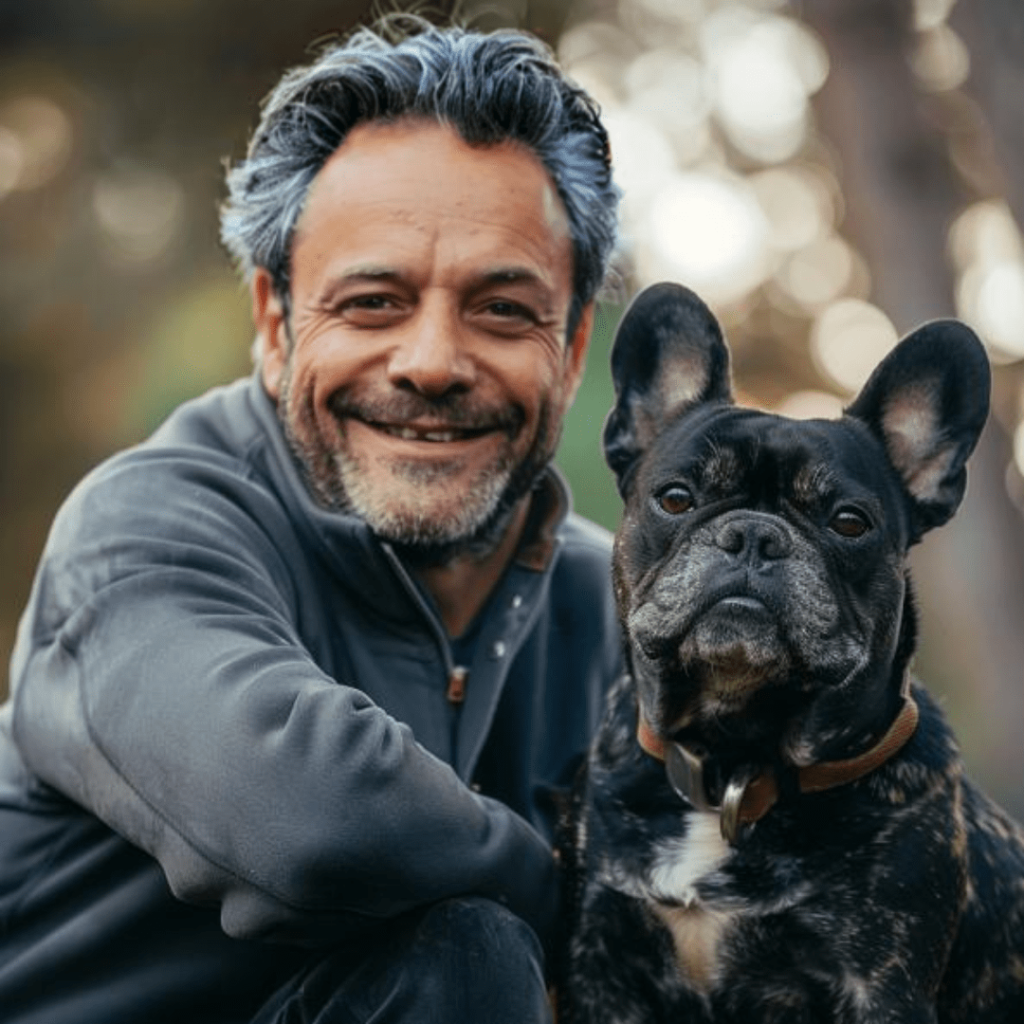
Javier Fernandez is a recognized dog trainer based in Madrid, specialized in canine anxiety with more than two decades of experience. His experience is backed by a Canine Behavior Modification Technician Course in Granada and a Master’s Degree in Analysis and Intervention of Behavior Problems, enriched by the prestigious Separation Anxiety Certification Program. This certification, uncommon among Spanish handlers, emphasizes environmental and external factors in treatment, rather than labeling the dog’s behavior as the problem. Offering personalized and empathetic sessions, Javier’s methods foster security and confidence, transforming anxiety into trust and improving the well-being of dogs and their owners through a deep understanding of canine psychology.


