

When it comes to our old furry friends, dental health is not just about a shiny smile; it’s a window to their overall well-being. Imagine if you never brushed your teeth, or saw a dentist. Sounds like a nightmare, right? That’s exactly what many older dogs face, leading to not just bad breath but a host of health issues. In fact, according to studies over 80% of dogs show signs of dental disease by age three, a statistic that only climbs as they age.
This isn’t just about cavities or gum disease; it’s about heart, liver, and kidney health, which are intricately linked to dental hygiene. So, taking care of your senior dog’s teeth might just be one of the most impactful ways to extend their quality of life and time with you.
Deciding whether to opt for deep dental cleaning for your older dog requires careful consideration of their overall health and dental needs. This article delves into what deep dental cleaning entails, including its risks and when it’s recommended. It also discusses critical pre-procedure evaluations like blood work and X-rays to ensure your dog’s safety. For those wary of anesthesia or looking for less invasive options, alternatives such as regular at-home dental care, dental diets, and professional cleaning without anesthesia are explored. The guide aims to equip you with comprehensive information to make an informed decision about the best dental care for your senior pet, ensuring their comfort and long-term health.
Let’s dive into the world of dental care for older dogs and uncover why it matters more than you might think.
Table summarizing the benefits of dental care for overall health in older dog :
| Benefit | Description |
|---|---|
| ✅Reduced risk of periodontal disease | Regular dental care helps prevent the buildup of plaque and tartar, reducing the risk of gum disease and tooth decay. |
| ✅Prevention of oral pain | Proper dental hygiene prevents conditions that cause pain in the mouth, making eating easier and improving quality of life. |
| ✅Lower risk of organ damage | Good dental health limits the chances of bacteria from the mouth spreading to organs like the heart, liver, and kidneys, potentially preventing serious health issues. |
| ✅Improved bad breath | Regular cleaning reduces the bacteria that cause bad breath, making closer interactions with your dog more pleasant. |
| ✅Enhanced overall well-being | A clean and healthy mouth contributes to better overall health, potentially leading to a longer, more vibrant life. |
| ✅Prevention of tooth loss | Maintaining dental health helps prevent the conditions that lead to tooth loss, ensuring your dog can eat comfortably and maintain proper nutrition |

Picture 1 : 3 benefits of regular dental care for dog
Deep dental cleaning for dogs goes beyond the surface level, reaching where regular brushes and chews can’t. This process, medically known as dental scaling and root planing, is a thorough cleaning of the tooth’s surface and below the gum line. It’s performed under general anesthesia, ensuring your dog’s comfort and safety during the procedure.
The process begins with a complete oral examination, often including X-rays to assess the health of the jaw and the roots of the teeth. Then, using specialized tools, the veterinary dentist removes plaque and tartar buildup from above and below the gum line, and polishes the teeth to prevent future buildup. This not only clears away harmful bacteria but also smoothens the tooth surface, making it more difficult for plaque to adhere.
Knowing when your dog requires a deep dental cleaning can be crucial for their health and happiness. Paying attention to certain signs and symptoms can help you gauge whether it’s time for this important procedure. Here’s what to look out for, ensuring you’re proactive in addressing your senior dog’s oral care needs:
| Likelihood | Symptoms | Description |
|---|---|---|
| High | Bad breath (halitosis) | Persistent bad breath is a common sign of dental issues and could indicate the need for a deep dental cleaning. |
| Discoloring or yellowing teeth | Discoloration can be a sign of plaque and tartar buildup, which might require a deep dental cleaning. | |
| Obvious signs of tartar buildup | Excessive tartar buildup can lead to more severe dental issues and is an indication that a deep cleaning is necessary. | |
| Receding and / or bleeding gums (gingivitis) | Gingivitis is a gum disease that can lead to more serious dental problems if left untreated. Receding and bleeding gums are signs of gingivitis and warrant a dental exam to determine if a deep cleaning is needed. | |
| Loose or missing teeth | Loose or missing teeth can be caused by advanced dental issues, such as periodontal disease. A dental exam is necessary to determine if a deep cleaning is required. | |
| Moderate | Excessive drooling | While not always a sign of dental issues, excessive drooling can indicate mouth pain or discomfort. A dental exam can help determine if a deep cleaning is needed. |
| Unusual drooling | Unusual drooling can be a sign of dental discomfort or pain. A dental exam can help determine if a deep cleaning is needed. | |
| Difficulty chewing or dropping food from mouth | Difficulty chewing or dropping food can be a sign of dental discomfort or pain. A dental exam can help determine if a deep cleaning is needed. | |
| Reduced appetite | A reduced appetite can be caused by dental issues, as eating might cause pain. A dental exam can help determine if a deep cleaning is needed. | |
| Low | Sneezing and nasal discharge | Although not directly related to dental health, sneezing and nasal discharge could be caused by an abscess breaking into the nasal passages. A dental exam can help determine if a deep cleaning is needed. |
| Mouth pain | Mouth pain can be caused by various dental issues. A dental exam is necessary to determine the cause and if a deep cleaning is required. | |
| Bleeding from the mouth | Bleeding from the mouth can be caused by various dental issues. A dental exam is necessary to determine the cause and if a deep dental cleaning is required. | |
| Swelling around the mouth | Swelling around the mouth can be a sign of dental issues, but it is not always directly linked to the need for a deep dental cleaning. A dental exam can help determine if a deep dental cleaning is needed. |
La limpieza dental profunda en perros ancianos conlleva riesgos debidos principalmente a la anestesia, que plantea mayores complicaciones para los ancianos con problemas de salud subyacentes. La sensibilidad de sus órganos relacionada con la edad puede aumentar la probabilidad de reacciones adversas, lo que hace que el procedimiento sea más arriesgado en comparación con su aplicación en perros más jóvenes y sanos.
He aquí una lista que resume los riesgos asociados a la limpieza dental profunda en perros senior :
- Anesthetic risks : Higher risk due to potential pre-existing conditions affecting the heart, liver or kidneys
- Post-operative infections : Infections can occur at the site of gum manipulation or incisions.
- Delayed healing : Older dogs may experience slower recovery from procedures due to age-related decreases in cell regeneration and other health conditions.
- Reactions to medications : Sensitivity to antibiotics or pain medications can lead to adverse reactions.
- Stress : The physical and mental stress of undergoing a procedure can impact an older dog’s overall health, potentially exacerbating existing conditions.
Here’s a list detailing the factors to consider when assessing an old dog’s suitability for deep dental cleaning:
- Age and general health: Assess overall health status and any underlying conditions. Older dogs with significant health issues may face increased risks
- Dental disease severity : The extent of dental disease helps determine the necessity of the procedure. More severe cases might justify the risks associated with anesthesia.
- Anesthesia risk : Evaluate the dog’s risk for anesthesia complications through pre-anesthetic assessments, inclunding blood work and possibly imaging tests like X-rays or echocardiograms.
- Previous anesthetic experiences : Any history of complications or adverse reactions during previous anesthetic procedures can inform risk assessment and preparation.
- Nutritional status : A dog’s nutritional health impacts their ability to undergo and recover from the procedure. Proper weight and nutrition are important factors
- Behavior and stress levels : Consider how the dog handles stress and veterinary visits. High stress levels can affect the decision and require special handling or preparations.
Before proceeding with deep dental cleaning for an old dog, a series of pre-procedure evaluations are conducted to ensure the safety and effectiveness of the treatment.
These evaluations encompass a range of tests and assessments designed to assess the dog’s overall health and anesthesia risks. The table below outlines the key components of this crucial preparatory stage:
| Evaluation | Purpose | Description |
|---|---|---|
| 1- Comprehensive physical examination | Assess overall health | A thorough check-up to identify any signs of illness or conditions that could complicate anesthesia or the dental procedure. |
| 2- Blood work | Evaluate internal organ function | Tests such as a complete blood count (CBC) and biochemistry profile provide insight into kidney, liver function, and overall health. |
| 3- Urinalysis | Check kidney function and urinary health | Complements blood work by assessing kidney health and detecting urinary tract issues. |
| 4- Cardiac assessment | Ensure heart health for anesthesia | An ECG or echocardiogram may be recommended for dogs with known heart issues or at risk of cardiac problems. |
| 5- Dental X-rays | Understand oral health status | Helps reveal underlying dental issues beneath the gum line that need to be addressed during cleaning. |
| 6- Evaluation of anesthetic history | Review past anesthesia reactions | Insights into how the dog has previously tolerated anesthesia and any complications that occurred. |
| 7- Discussion of findings and risks | Inform and prepare the pet owner | A conversation about the dog’s health, the necessity of the procedure, and how identified risks will be managed. |
Daily brushing: Using a toothbrush designed for dogs and pet-safe toothpaste, daily brushing can significantly reduce plaque and tartar buildup. Consistency is key, as it helps prevent the development of periodontal disease.
Dental Chews and Toys: Dental chews and toys are designed to help clean the teeth mechanically as your dog chews on them. They can be an enjoyable way for your dog to contribute to their own dental health, though they should not replace brushing.
Water Additives: These are liquid solutions that you add to your dog’s drinking water. They typically contain ingredients that help reduce plaque, tartar, and the bacteria that cause bad breath. Water additives are a simple way to enhance oral hygiene without altering your pet’s routine. Many dogs do not notice the additive in their water, making it an effortless approach to dental care.
Oral Supplements: Oral supplements come in various forms, including chews, powders, and treats. These products often contain active ingredients like probiotics, enzymes, and natural antiseptics that promote a healthy oral microbiome and support gum health. Supplements can reduce the occurrence of plaque and tartar by altering the environment in the mouth, making it less hospitable for harmful bacteria to thrive.
Benefits of supplements and water additives :
- Ease of use : Both supplements and water additives are easy to incorporate into your dog’s daily routine, requiring minimal effort from pet owners
- Continuous protection : They offer continuous protection against dental issues, working throughout the day to combat plaque and tartar buildup
- Complementary action : These products are designed to complement physical cleaning methods like brushing, providing a holistics approach to dental care.
- Suitable for all ages: Son generalmente adecuados para perros de todas las edades, incluyendo perros mayores que pueden ser más propensos a problemas dentales.
For dog owners concerned about the risks associated with anesthesia, especially in older dogs or those with health issues, professional dental cleaning without anesthesia presents an alternative.
This method involves a thorough cleaning of the dog’s teeth by a trained veterinary professional while the dog is awake. Here’s an overview of the procedure and considerations:
Procedure overview :
1- Assessment: The dog undergoes a preliminary oral examination to determine the extent of dental issues and to ensure that non-anesthetic cleaning is a viable option.
2- Calming Techniques: The procedure uses various techniques to keep the dog calm and still, which may include gentle restraint and the use of calming pheromones or mild sedatives.
3- Scaling: Using specialized tools, the veterinary professional carefully removes plaque and tartar from the teeth’s surface, especially focusing on the visible areas and those along the gum line.
4- Polishing: After scaling, the teeth are polished to smooth out any roughness on the enamel, reducing the future adherence of plaque and tartar.
Main pros and cons of professional dental cleaning without anesthesia :
| ✅Pros | ❌Cons |
|---|---|
| Reduced risks: Eliminates risks associated with general anesthesia, making it safer option for some dogs | Limited scope: may not be as thorough as cleaning under anesthesia, especially for severe dental issues or below the gum line. |
| Immediate recovery: dogs recover immediately without the side effects of anesthesia | Stress for some dogs: The experience can be stressful or frightening for dogs that do not tolerate handling well |
| Cost-effective: Often less expensive than anesthetic cleanings due to the absence of anesthesia-related costs | Not suitable for all dogs: Not all dogs are candidates, especially those with advanced periodontal disease or behavioral issues |
Making the right decision
Considering different options before choosing anesthesia for your old dog’s dental cleaning is crucial due to their heightened risk of complications from anesthesia, particularly for those with pre-existing conditions. Exploring alternatives can provide safer routes to maintain dental health while minimizing potential adverse effects on your senior dog’s overall well-being.
Here is a list with advices on what you should do before making your decision :
- Discuss overall health : Talk about your dog’s health and any pre-existing conditions. Consider concerns about anesthesia.
- Review dental assessment : Go over dental exam and X-ray results. Understands the severity of dental issues.
- Understand each option : Ask for detailed explanations of all treatment options, including their risks and benefits.
- onsider comfort and quality of life : Evaluate how each option affects your dog’s comfort and long-term health
- Evaluate risks and benefits : Weigh the risks of anesthesia and the benefits of dental cleaning against non-anesthetic alternatives
- Ask about experience and outcomes : Inquire about the veterinarian’s experience and typical outcomes for each procedure
- Discuss financial considerations : Understand the costs involved in each option and any potential follow-up cara
- Seek a second opinion : If necessary, get a second opinion to feel confident in your decision.
Establishing a comprehensive dental care routine early in your dog’s life is crucial for their long-term oral health and overall well-being.
This table outlines essential practices, from early introduction to regular care and diet, aimed at preventing dental diseases and ensuring your dog maintains a healthy, happy life.
These steps include everything from regular brushing and proper nutrition to the importance of dental check-ups and being aware of your dog’s specific needs, highlighting the significance of proactive dental care.
- Begin dental care early : Introduce your puppy to dental care routines as soon as possible. Early acclimation to brushing and oral hygiene practices makes them more accepting of these routines throughout their life.
- Regular brushing : Make brushing a regular part of your dog’s care routine. Using a toothbrush designed for dogs and pet-safe toothpaste, aim for daily brushing to effectively remove plaque and prevent tartar buildup.
- Proper nutrition : Feed your dog a balanced diet specifically formulated for their size, age, and health needs. Some pet foods are designed to help reduce plaque and tartar accumulation through mechanical action as the dog chews.
- Dental check-ups : Include dental health in your dog’s regular veterinary check-ups. Professional cleanings as recommended by your veterinarian can prevent the progression of dental diseases.
- Chew toys and dental treats : Utilize chew toys and dental treats that are designed to help clean the teeth mechanically as your dog plays and chews. Ensure they are appropriate for your dog’s size and chewing habits to avoid any risk of choking.
- Avoid hard objects : Discourage your dog from chewing on hard objects that could damage their teeth, such as bones, stones, or hard plastic toys.
- Watch for warning signs : Be vigilant for signs of dental problems, including bad breath, difficulty eating, drooling, or pawing at the mouth. Early detection is key to preventing more serious issues.
- Education and awareness : Educate yourself about the breeds that might be more prone to dental issues and any specific care they might require. Understanding the particular needs of your dog’s breed can help in preventing breed-specific dental issues.
Conclusion
Dental health is a critical component of your dog’s overall well-being, especially as they age. Whether considering deep dental cleaning or exploring alternatives, the decision should be made with careful consideration of your dog’s specific health needs and in consultation with your veterinarian.
Implementing regular home dental care from an early age, along with preventive measures, can significantly reduce the risk of dental issues developing later in life. By prioritizing dental health, you not only ensure your dog’s mouth stays healthy but also contribute to their overall quality of life and longevity.
FAQ
While dental chews are beneficial for reducing plaque and tartar, they cannot replace the thoroughness of brushing. Brushing addresses areas of the mouth that chews cannot reach and should remain a central part of your dog’s dental care routine.
The frequency depends on your dog’s overall dental health, breed, and specific needs. Typically, veterinarians recommend professional dental cleanings once a year, but dogs with a history of dental issues might need more frequent cleanings. Consult with your vet for a tailored schedule.
Dental disease can progress rapidly, especially if there’s a history or insufficient dental care. Older dogs are more susceptible to periodontal disease, which can develop and worsen within months if not properly managed. Regular checks-up are crucial for early detection and intervention.
Definitely not. Dogs should never use human toothpaste or dentifrice. These products contain ingredients not meant for ingestion, posing internal risks if swallowed. Additionally, they often have higher salt levels, which could be problematic for certain dogs.
About Dr. Maria Garcia
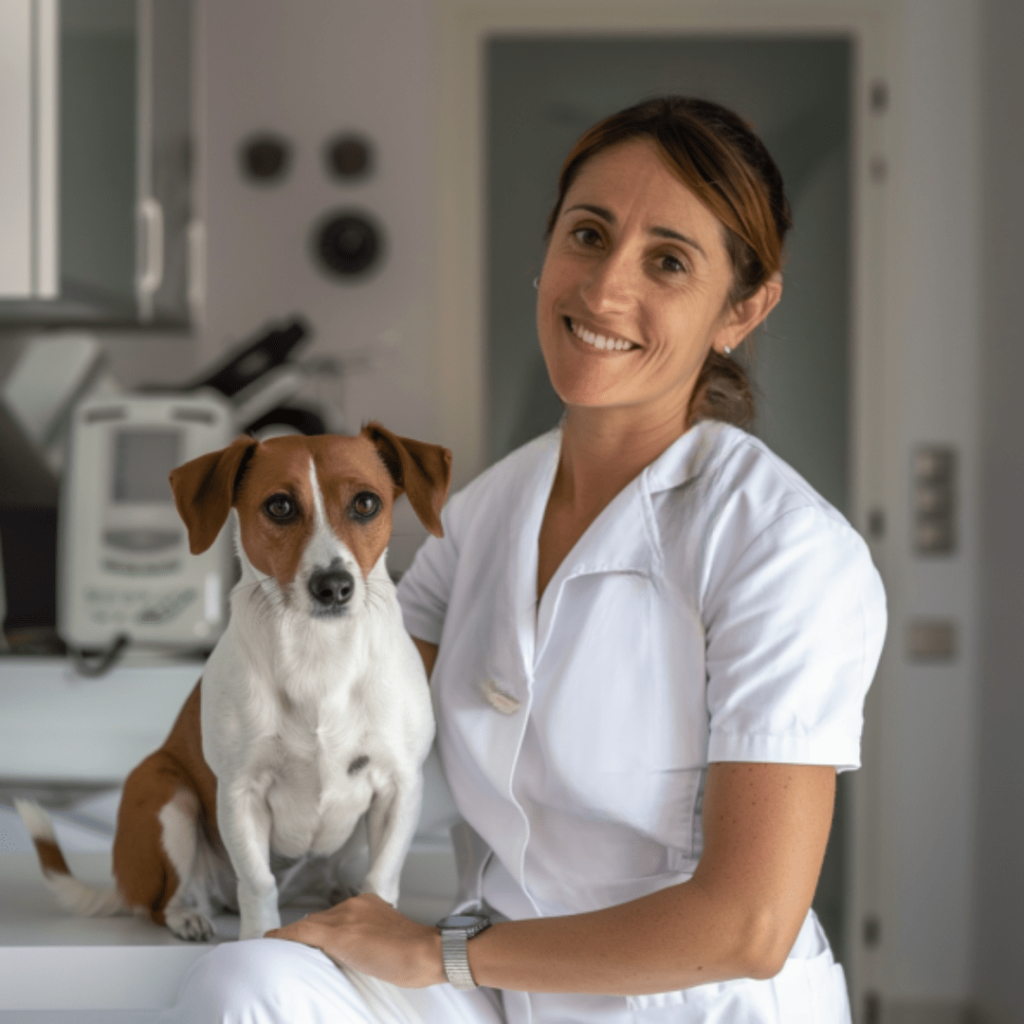
Dr. María García, based in the Murcia region of Spain, is an expert in the veterinary field, bringing a decade of experience dedicated to the health and well-being of pets. A graduate of the Autonomous University of Barcelona, she now works at the Veterinary Emergency Hospital in the Murcia region as a specialist in small animal surgery. Her work on hip dysplasia and arthritis has improved the daily lives of many animals, earning her great respect within the veterinary community.


